
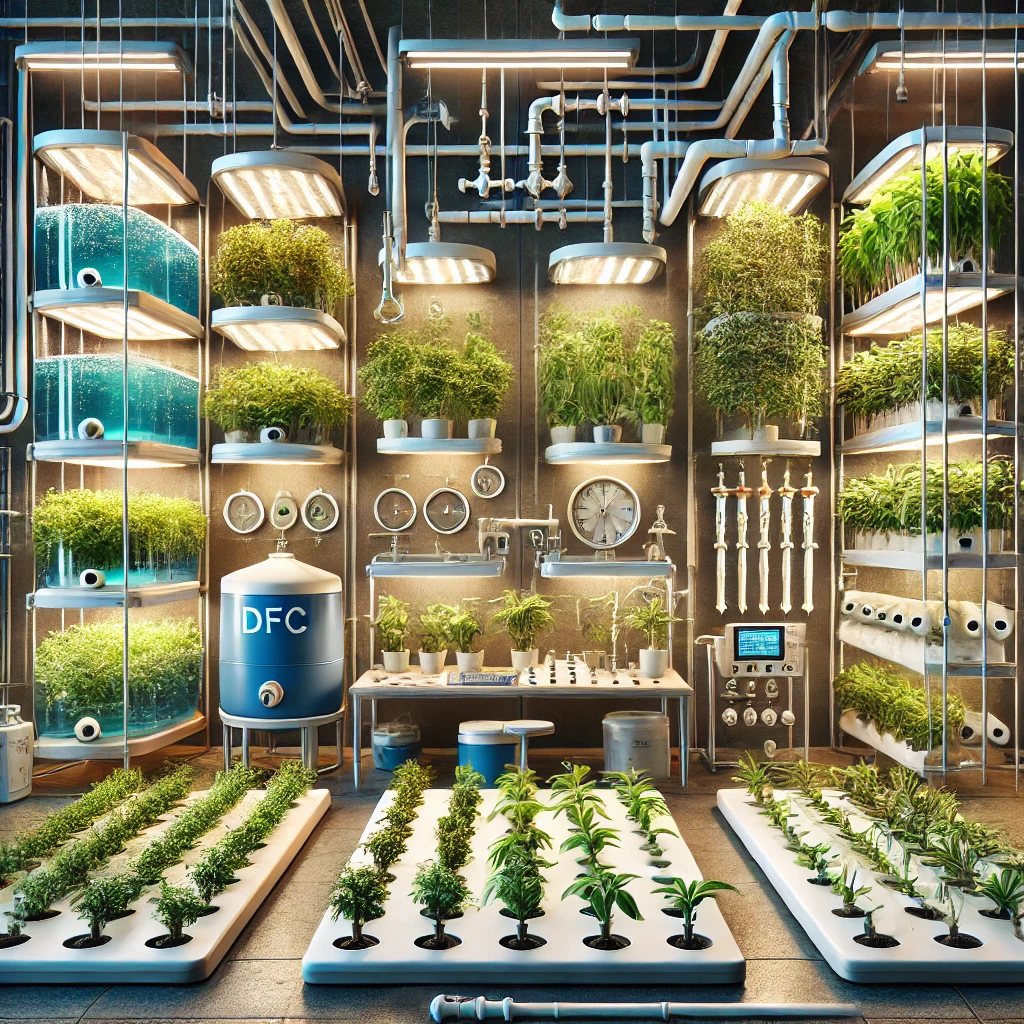
Hydroponic gardening has emerged as a revolutionary method for growing plants, bypassing traditional soil-based cultivation. For both home gardeners and commercial farmers, understanding how hydroponic systems work can unlock numerous benefits, from faster plant growth to higher yields. This guide will walk you through the essentials of hydroponic gardening, from its core principles to practical applications.
What is Hydroponic Gardening?
Hydroponic gardening is a method of growing plants without soil, using nutrient-rich water to deliver essential minerals directly to the plant roots. This system allows plants to receive the precise nutrients they need in a highly controlled environment, leading to faster growth and increased productivity.
How Does Hydroponic Gardening Work?
- Nutrient Solution: In hydroponic systems, plants are grown in a nutrient solution, which is a mixture of water and essential nutrients. This solution is delivered directly to the plant roots, ensuring they receive all necessary elements for growth.
- Growing Medium: Instead of soil, hydroponic systems use inert growing mediums such as coconut coir, perlite, or rock wool. These mediums provide support for the plant roots but do not supply nutrients.
- System Types: There are several types of hydroponic systems, including:
- Deep Water Culture (DWC): Plants are suspended in a nutrient-rich water solution with their roots submerged.
- Nutrient Film Technique (NFT): A thin film of nutrient solution continuously flows over the plant roots.
- Ebb and Flow (Flood and Drain): The growing medium is periodically flooded with nutrient solution and then drained.
- Drip System: Nutrient solution is delivered directly to the plant roots through drip emitters.
- Wick System: Nutrients are drawn up to the plant roots via a wick from a reservoir.
- Environmental Control: Hydroponic gardening allows for precise control over environmental factors such as light, temperature, and humidity. This control helps optimize plant growth and can lead to more consistent results.
Benefits of Hydroponic Gardening
- Faster Growth: Plants in hydroponic systems often grow faster than those in soil because they have direct access to nutrients and water.
- Higher Yields: With optimized growing conditions, hydroponic gardens can produce higher yields compared to traditional soil-based gardening.
- Space Efficiency: Hydroponic systems can be set up vertically, making them ideal for small spaces or urban environments.
- Reduced Water Usage: Hydroponic systems use water more efficiently than soil-based methods, which can be advantageous in areas with water scarcity.
- Fewer Pests and Diseases: By eliminating soil, hydroponic gardens are less prone to soil-borne pests and diseases.
Setting Up Your Hydroponic System
- Choose Your System: Decide which hydroponic system best fits your needs based on your space, budget, and the types of plants you want to grow.
- Gather Equipment: You’ll need essential equipment such as grow lights, a water pump, air pump, nutrient solution, and a pH meter.
- Prepare the Growing Medium: Choose an appropriate growing medium that supports your plants and allows for adequate drainage and aeration.
- Mix Nutrient Solution: Follow the instructions for mixing your nutrient solution, ensuring the right balance of essential nutrients.
- Monitor and Maintain: Regularly check the pH and nutrient levels of your solution, and ensure your plants receive sufficient light and ventilation.
Troubleshooting Common Issues
- Nutrient Deficiency: If plants show signs of nutrient deficiency, adjust the nutrient solution or check for any imbalances.
- pH Imbalance: Keep an eye on the pH levels of your nutrient solution and adjust as needed to maintain optimal conditions.
- Pests: While less common, pests can still affect hydroponic systems. Use non-toxic methods to manage any infestations.
Hydroponic Gardening for Home Gardeners vs. Commercial Farmers
For Home Gardeners: Hydroponic gardening offers a fantastic way to grow fresh produce at home, regardless of outdoor space. Systems like the Nutrient Film Technique or Wick System are ideal for small-scale setups. Home gardeners can enjoy the satisfaction of growing their own vegetables, herbs, and flowers, even in urban environments.
For Commercial Farmers: Hydroponic systems can be scaled up to meet large production needs. Techniques like Deep Water Culture and Ebb and Flow are suitable for commercial applications. Hydroponics can provide a steady supply of high-quality produce year-round, making it a viable option for businesses looking to maximize yield and efficiency.
Making Hydroponics Simple for Kids
Imagine you’re giving your plants a bath with special plant food! Instead of putting them in dirt, you put them in water that’s mixed with all the vitamins they need to grow strong and healthy. The water goes up to their roots, like a drink, and they don’t have to search through dirt to find their food. It’s like having a super nutritious smoothie right at their roots!
Conclusion
Hydroponic gardening represents a cutting-edge approach to cultivating plants with numerous benefits for both home gardeners and commercial farmers. By understanding how hydroponic systems work and choosing the right setup for your needs, you can enjoy faster plant growth, higher yields, and more efficient use of resources. Whether you’re looking to enhance your home garden or boost your commercial operation, hydroponics offers a versatile and rewarding solution.
Here are some specific products that can help you get started with hydroponic gardening:
1. Hydroponic Systems
Hydroponic Deep Water Culture (DWC) Systems
- Description: DWC systems include a reservoir, air pump, air stones, and net pots. Ideal for growing a variety of plants with their roots submerged in nutrient-rich water.
- Benefits: Promote fast plant growth and is easy to set up for both beginners and experienced growers.
2. Nutrient Solutions
General Hydroponics Flora Series – (Grow, Bloom, Micro)
- Description: A set of three essential nutrient solutions (Grow, Bloom, and Micro) suitable for all stages of plant growth.
- Benefits: Allows for precise nutrient control, providing plants with balanced nutrition for robust growth.
- Description: A nutrient solution designed for the vegetative stage of plant growth in hydroponic systems.
- Benefits: Ensures vigorous vegetative growth with a balanced nutrient formulation.
3. Growing Mediums
- Description: Expanded clay pebbles that provide excellent drainage and aeration for hydroponic systems.
- Benefits: Reusable and suitable for various types of hydroponic setups, including flood and drain systems.
4. Grow Lights
Maxibright Daylight LED 300W (690) 2.3μmol/J
Description:
- Power: 300W
- Light Output: 690 μmol/s
- Efficacy: 2.3 μmol/J
- Spectrum: Full-spectrum LED, suitable for all stages of plant growth
Benefits:
- High Efficacy: With an efficacy of 2.3 μmol/J, this LED grow light is highly efficient in converting electrical power into usable light for plants, leading to better energy savings compared to traditional lighting options.
- Full Spectrum: Provides a full spectrum of light, which is crucial for promoting healthy plant growth across all stages, from seedling to flowering. This means you don’t need to switch between different types of grow lights as your plants mature.
- Low Heat Emission: LEDs generally produce less heat than HPS or MH lights, which helps in maintaining optimal growing temperatures and reduces the need for additional cooling systems.
- Energy Efficiency: Being a 300W LED, it offers a good balance of light intensity and energy consumption, making it suitable for medium-sized growing areas. It provides ample light for plants while being energy-efficient.
- Long Lifespan: LEDs have a longer lifespan compared to traditional grow lights, which means less frequent replacement and lower long-term costs.
5. Environmental Control
- Description: A digital pH meter designed for accurate measurement of the pH level in nutrient solutions.
- Benefits: Ensures optimal pH levels for healthy plant growth and easy maintenance.
Ready to dive into hydroponic gardening? Visit Hydroponic Centre to explore our range of products and services designed to help you succeed in this innovative growing method.



