
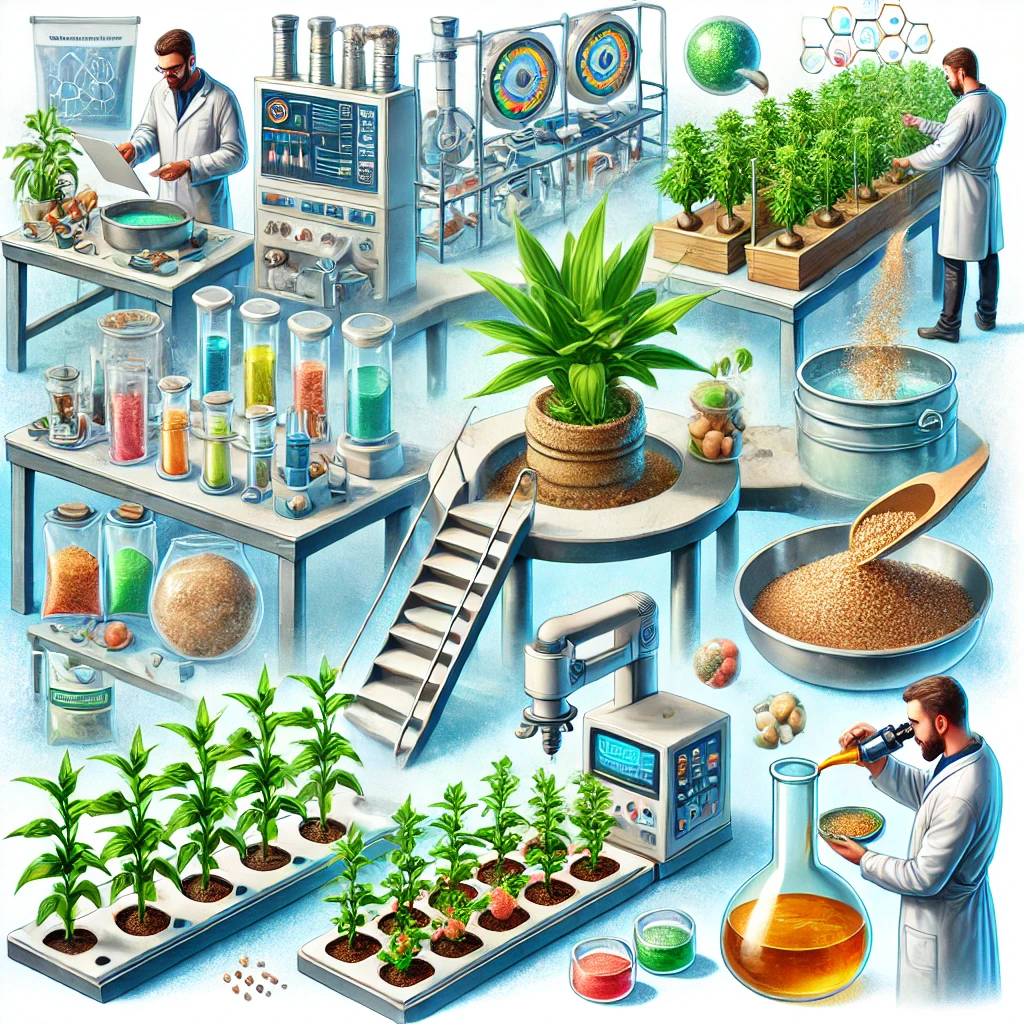
Hydroponic gardening is more than just a method of growing plants without soil; it’s a precise science that requires understanding the nutritional needs of plants. Whether you’re a home gardener cultivating herbs in your kitchen or a commercial farmer growing large-scale produce, the nutrients you use in your hydroponic system are crucial for your plants’ health and productivity. In this article, we’ll explore how hydroponic nutrients are made, what they consist of, and why they are vital for successful hydroponic gardening.
Understanding Hydroponic Nutrients: The Basics
Hydroponic nutrients are specially formulated solutions designed to provide plants with all the essential elements they need to grow, flower, and fruit. Unlike traditional soil-based gardening, where plants can draw nutrients from the soil, hydroponics relies entirely on nutrient-rich water solutions.
These nutrients are typically divided into three main categories:
- Macronutrients: These include nitrogen (N), phosphorus (P), and potassium (K) – often referred to as NPK. They are required in larger quantities and are essential for fundamental plant processes like growth, energy transfer, and overall development.
- Secondary Nutrients: These include calcium (Ca), magnesium (Mg), and sulfur (S). While needed in smaller amounts than macronutrients, they are still vital for specific functions, such as cell structure (calcium) and chlorophyll production (magnesium).
- Micronutrients: These are needed in trace amounts and include elements like iron (Fe), manganese (Mn), zinc (Zn), copper (Cu), molybdenum (Mo), boron (B), and chlorine (Cl). Despite their small quantity requirements, they play critical roles in enzymatic processes and overall plant health.
How Are Hydroponic Nutrients Made?
Creating hydroponic nutrients is a meticulous process that involves understanding plant biology, chemistry, and the specific needs of different plant species. Here’s a step-by-step breakdown of how these nutrients are typically made:
1. Research and Formulation
The first step in creating hydroponic nutrients is research. Scientists and horticulturists study the specific nutrient requirements of plants at various stages of their life cycle. For example, leafy greens may require a different nutrient balance compared to flowering plants.
This research leads to the formulation of nutrient solutions, which are carefully balanced mixtures of macro, secondary, and micronutrients. Each formula is tailored to the needs of specific plants and growth stages.
2. Sourcing Raw Materials
Once the nutrient formula is finalized, the next step is sourcing high-quality raw materials. These materials are often mineral salts, which are selected for their purity and solubility. Common raw materials include:
- Ammonium Nitrate: A source of nitrogen.
- Potassium Phosphate: Provides potassium and phosphorus.
- Magnesium Sulfate: Supplies magnesium and sulfur.
- Chelated Iron: Ensures plants can easily absorb iron.
3. Mixing and Testing
The selected raw materials are then carefully mixed in precise proportions to create the nutrient solution. This process requires a controlled environment to ensure consistency and prevent contamination.
After mixing, the solution undergoes rigorous testing to verify its composition. This includes checking the pH level, electrical conductivity (EC), and nutrient concentration. The goal is to create a solution that is perfectly balanced and ready for use in hydroponic systems.
4. Stabilization and Packaging
Once the nutrient solution passes all quality checks, it is stabilized to extend its shelf life. Stabilization prevents the nutrients from reacting with each other or degrading over time, ensuring they remain effective until they reach the plants.
Finally, the nutrient solution is packaged in bottles or containers, labeled with detailed instructions for use, and shipped to consumers.
Why Quality Nutrients Matter in Hydroponics
Using high-quality nutrients is essential for the success of your hydroponic garden. Poorly formulated or low-quality nutrients can lead to nutrient imbalances, deficiencies, and even toxicities, which can stunt plant growth or cause crop failure.
Quality nutrients ensure that your plants receive the right balance of elements they need to thrive. This leads to:
- Improved Growth: Plants grow faster and stronger with balanced nutrition.
- Better Yields: Proper nutrition results in higher yields and better-quality produce.
- Disease Resistance: Well-nourished plants are more resilient against pests and diseases.
Hydroponic Nutrients vs. Traditional Fertilizers
One common question among gardeners is whether they can use traditional soil fertilizers in a hydroponic system. The answer is generally no, and here’s why:
- Solubility: Hydroponic nutrients are fully soluble in water, ensuring that plants can absorb them directly through their roots. Traditional fertilizers often contain insoluble materials that can clog hydroponic systems.
- Balance: Hydroponic nutrients are carefully balanced to meet the precise needs of plants grown in a soilless environment. Traditional fertilizers may lack the necessary micronutrients or have too much of certain elements, leading to imbalances.
- pH Levels: Hydroponic nutrient solutions are formulated to maintain a stable pH, which is crucial for nutrient uptake. Traditional fertilizers can alter the pH in a hydroponic system, making nutrients less available to plants.
Tips for Choosing the Right Hydroponic Nutrients
With so many hydroponic nutrients on the market, choosing the right one for your garden can be overwhelming. Here are some tips to help you make an informed decision:
- Know Your Plants: Different plants have different nutrient requirements. Choose a nutrient formula that matches the type of plants you’re growing.
- Check the NPK Ratio: The NPK ratio indicates the proportion of nitrogen, phosphorus, and potassium in the solution. Leafy greens typically require higher nitrogen, while flowering plants need more phosphorus and potassium.
- Look for Chelated Micronutrients: Chelated nutrients are more easily absorbed by plants, leading to better growth and health.
- Consider Organic Options: If you’re looking for an eco-friendly option, consider organic hydroponic nutrients, which are made from natural sources like seaweed or fish emulsion.
- Read Reviews: Check product reviews and ask for recommendations from other hydroponic gardeners to find a trusted brand.
Conclusion: The Science Behind Hydroponic Nutrients
Hydroponic nutrients are a blend of science and art, meticulously crafted to provide plants with everything they need to thrive in a soilless environment. From research and formulation to mixing and testing, each step in the production process ensures that these nutrients deliver optimal results for your hydroponic garden.
Hydroponic Nutrients Explained for Kids
Imagine your plants are like superheroes, and their superpowers come from the food they eat. In hydroponics, instead of getting food from the soil, plants get their food from a special kind of water that has all the vitamins and minerals they need. Scientists make this plant food by mixing different kinds of “superfoods” together, like nitrogen, potassium, and magnesium. When plants drink this special water, they grow big and strong, just like superheroes!
So, next time you see a plant in a hydroponic garden, you’ll know it’s getting its superpowers from carefully made nutrients that help it grow happy and healthy!
Here are some recommended products from Hydroponic Centre that can help with hydroponic nutrient needs:
- Athena Nutrients – Pro Line: Athena’s Pro Line is designed for professional growers but is also accessible for home gardeners. The “Bloom” formula in particular supports robust flowering and fruiting in plants. It’s a concentrated, high-quality nutrient that promotes vigorous growth during the flowering stage, making it ideal for those looking to maximize their yields.
- CANNABOOST Accelerator: This is an additive that enhances the plant’s metabolism, ensuring a faster and more efficient uptake of nutrients. It’s particularly beneficial during the flowering phase, helping to boost the quality and quantity of your produce. It’s compatible with most base nutrients and is widely used by both commercial and hobbyist growers.
- Shogun Fertilisers: This brand offers a range of hydroponic nutrients designed to support plant growth at different stages. Their products are known for being highly effective and easy to use, making them a great choice for both beginners and experienced hydroponic gardeners.
- Hydrotops: Hydrotops offers a range of organic nutrients and additives. Their products are tailored for hydroponic systems, ensuring your plants get all the essential nutrients they need. Their “Hydrotops Grow” and “Hydrotops Bloom” formulas are especially popular for promoting healthy growth and abundant flowering.
These products are well-regarded in the hydroponics community for their effectiveness in various growth stages and compatibility with different hydroponic systems. Whether you’re a home gardener or a commercial grower, these options provide excellent nutrient support to help your plants thrive.
Explore our range of nutrients at Hydroponic Centre to find the perfect products for your needs. Happy growing!



