
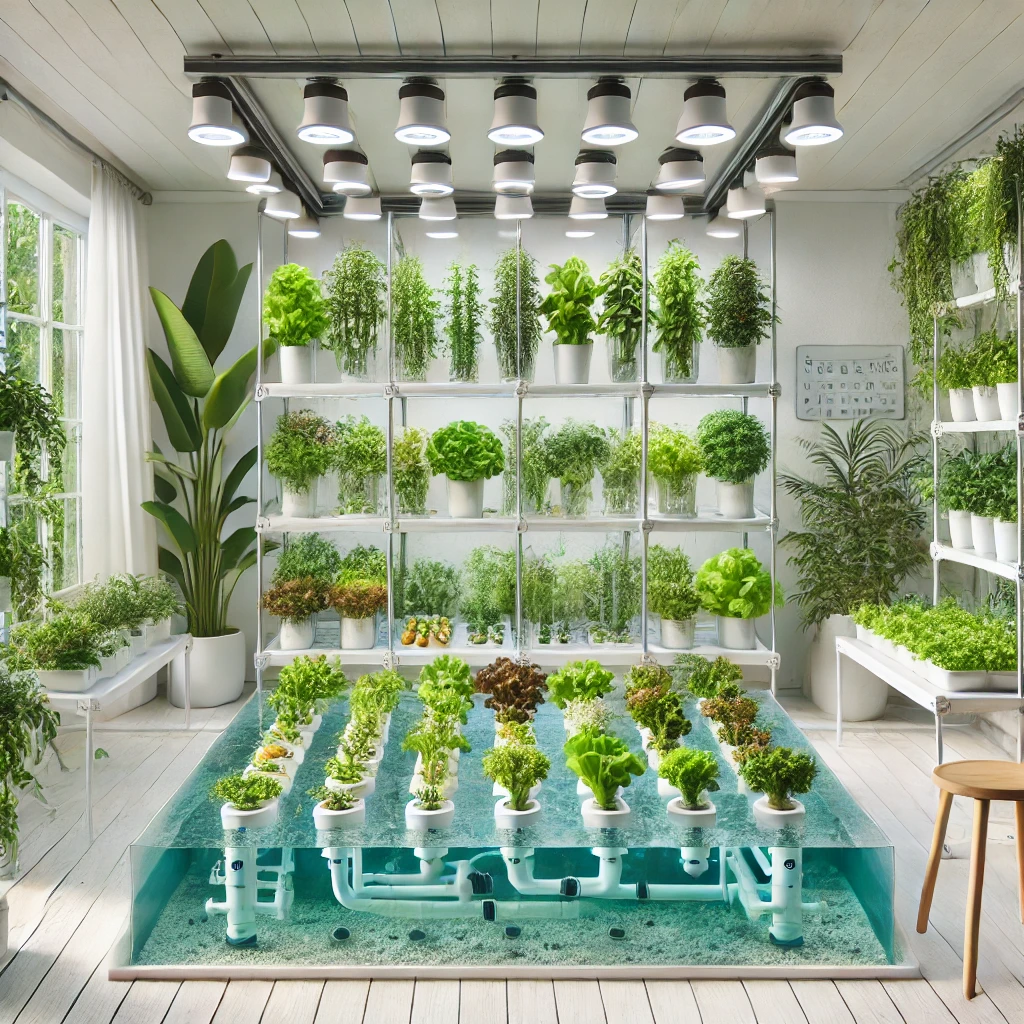
Introduction
Hydroponics is revolutionizing the way we grow plants, offering a soil-free, water-efficient method that’s perfect for both home gardeners and commercial farmers. Whether you’re new to hydroponics or looking to enhance your existing setup, understanding the basics is crucial. This guide will walk you through what hydroponics is, how it works, its benefits, and how you can get started.
What is Hydroponics?
Hydroponics is a method of growing plants without soil, using a nutrient-rich water solution. The term “hydroponics” comes from the Greek words “hydro,” meaning water, and “ponos,” meaning labor. Instead of soil, plants are supported by an inert medium like perlite, rockwool, or clay pellets, while their roots are directly exposed to the nutrient solution. This method allows for precise control over the nutrients, water, and light that plants receive, leading to faster growth and higher yields.
Why Choose Hydroponics?
- Water Efficiency: Hydroponic systems use up to 90% less water than traditional soil-based gardening.
- Faster Growth: Plants grow up to 50% faster due to the direct access to nutrients and oxygen.
- Space Efficiency: Ideal for urban environments, hydroponics requires less space, making it perfect for small apartments or commercial vertical farms.
- No Soil, No Problem: Eliminates soil-borne diseases and pests, reducing the need for pesticides.
- Year-Round Growing: With controlled environments, you can grow crops year-round regardless of the season.
How Does Hydroponics Work?
At the heart of hydroponics is the nutrient solution, a balanced mix of water and essential nutrients that feeds the plants directly. The plants’ roots are suspended in this solution or in an inert medium that allows for maximum nutrient absorption. Here’s a breakdown of common hydroponic systems:
- Deep Water Culture (DWC): Plants are suspended in nutrient-rich water with an air pump providing oxygen to the roots.
- Nutrient Film Technique (NFT): A thin film of nutrient solution is continuously circulated over the roots, ensuring they receive a steady supply of nutrients.
- Ebb and Flow (Flood and Drain): Plants are periodically flooded with nutrient solution and then allowed to drain, providing a mix of nutrients and air to the roots.
- Drip System: Nutrient solution is dripped directly onto the base of each plant, with excess solution being recirculated.
- Aeroponics: Roots are suspended in the air and misted with nutrient solution, allowing for maximum oxygen exposure.
Getting Started with Hydroponics
Starting with hydroponics can seem daunting, but with the right tools and guidance, it’s easier than you think. Here’s a step-by-step guide:
- Choose Your System: Depending on your space, budget, and goals, select a hydroponic system that suits your needs.
- Pick the Right Medium: Depending on your system, choose an inert medium like perlite, coco coir, or rockwool.
- Select Your Nutrients: Invest in high-quality hydroponic nutrients designed for your plants’ growth stages.
- Lighting: Ensure you have the right grow lights, especially if growing indoors. LED grow lights are energy-efficient and effective.
- Monitor and Adjust: Regularly check pH levels, nutrient concentration, and water levels to keep your plants thriving.
Recommended Products
For those starting out or looking to upgrade their hydroponic setup, Hydroponic Centre offers a range of high-quality products:
- Wilma Dripper System: Ideal for both beginners and seasoned growers, this system is easy to use and highly efficient.
- Canna Aqua Vega: A specialized nutrient formula designed for the vegetative stage of plant growth, ensuring strong and healthy development.
- Gavita Pro E-Series 600e Grow Light: This powerful grow light is perfect for indoor setups, providing the full spectrum of light needed for plant growth.
- Bluelab pH Pen: Essential for monitoring and maintaining the optimal pH levels in your nutrient solution.
Common Questions About Hydroponics
1. Is hydroponics expensive to set up?
While the initial setup costs can be higher than traditional gardening, hydroponics can save money in the long run by reducing water, space, and pesticide costs.
2. Can I grow any plant hydroponically?
Most plants can be grown hydroponically, but leafy greens, herbs, and strawberries are particularly well-suited for beginners.
3. How do I prevent diseases in my hydroponic system?
Maintaining clean equipment, monitoring water quality, and using beneficial microbes can help prevent diseases.
4. Is hydroponic produce as nutritious as soil-grown produce?
Yes, hydroponic produce can be just as nutritious, if not more, due to the precise control over nutrients.
Simplified Summary for Kids
Hydroponics is a way to grow plants without using soil. Instead, plants get their food from water mixed with nutrients. It’s like giving plants a super drink that helps them grow faster and stronger. You can do it at home or on a farm, and it doesn’t even need a lot of space. Plus, you can grow plants all year long, even when it’s cold outside!
Conclusion
Hydroponics offers a sustainable and efficient way to grow plants, making it a perfect solution for both home gardeners and commercial farmers. By understanding the basics and investing in the right tools, you can start your own hydroponic garden and enjoy fresh, home-grown produce all year round. Visit Hydroponic Centre for all the products and support you need to get started.



