
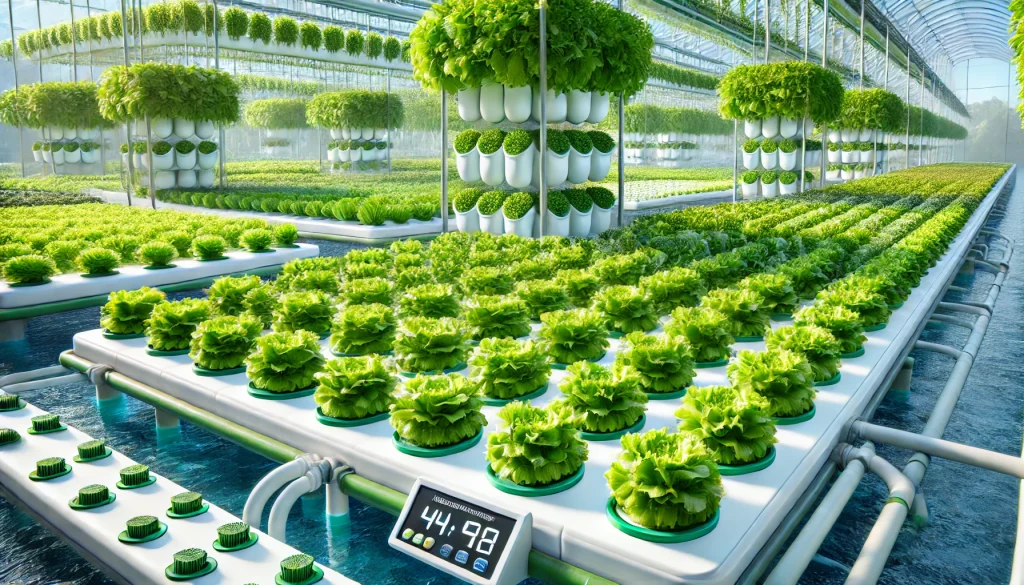
Hydroponic gardening has revolutionized how we grow lettuce, offering a more efficient and sustainable method than traditional soil farming. Whether you’re a home gardener nurturing a small setup or a commercial farmer managing a larger operation, understanding when your hydroponic lettuce is ready to harvest is crucial for maximizing flavour, texture, and yield.
In this article, we’ll dive into the key indicators that signal your lettuce is ready for harvest, the benefits of proper timing, and product recommendations to optimize your hydroponic system.
What is Hydroponic Lettuce?
Before we delve into the harvesting process, let’s briefly recap what makes hydroponic lettuce unique. Unlike traditional lettuce, which is grown in soil, hydroponic lettuce is cultivated in a nutrient-rich water solution, allowing for faster growth, better control over environmental factors, and year-round production.
Indicators That Hydroponic Lettuce is Ready to Harvest
- Leaf Size and Appearance
One of the most visible signs that lettuce is ready to be harvested is the size and appearance of its leaves. Depending on the lettuce variety, mature leaves typically reach 4-6 inches in length. The leaves should be vibrant, firm, and free from wilting or discoloration. If the leaves start to look pale or begin to wilt, it’s a sign that the lettuce is overripe and should be harvested immediately. - Days to Maturity
Hydroponic lettuce varieties generally mature faster than their soil-grown counterparts. Most types of hydroponic lettuce are ready to harvest in about 30-45 days after planting. Keep track of your planting dates and refer to the specific maturity time for the variety you are growing. - Taste Test
Taste is a reliable indicator of ripeness. Pick a few leaves and taste them. If the flavor is crisp and fresh without any bitterness, your lettuce is likely ready. Bitterness in the leaves usually indicates that the lettuce is past its prime and may have begun to bolt, especially in warmer temperatures. - Head Formation (for Head Lettuce Varieties)
For head lettuce varieties like Romaine or Butterhead, the formation of a dense, compact head is a clear sign that the plant is ready for harvest. The head should feel firm to the touch but not too hard, which could indicate over-ripeness.
Best Practices for Harvesting Hydroponic Lettuce
- Harvesting Techniques
Use a sharp knife or scissors to cut the lettuce at the base, leaving about an inch of stem if you plan to regrow the plant. For leaf varieties, you can harvest individual leaves as needed, which allows the plant to continue growing and producing. - Timing
The best time to harvest lettuce is in the early morning when the leaves are most hydrated. Avoid harvesting during the hottest part of the day, as this can cause the leaves to wilt quickly. - Post-Harvest Care
After harvesting, rinse the lettuce in cool water to remove any debris and help maintain its crispness. Dry the leaves gently using a salad spinner or by patting them with a clean towel. Store the harvested lettuce in the refrigerator, ideally in a perforated plastic bag to maintain airflow and prevent moisture buildup.
Recommended Hydroponic Products for Optimal Growth
To ensure the best results, it’s important to use high-quality hydroponic systems and nutrients. Here are some product recommendations from Hydroponic Centre that can help you grow robust and flavourful lettuce:
- Nutrient Solutions
- General Hydroponics Flora Series: This three-part nutrient system is ideal for lettuce, providing balanced nutrients for all stages of growth.
- Canna Aqua Vega: Specifically formulated for hydroponic systems, this nutrient solution supports vigorous growth during the early stages of your lettuce plants.
- Lighting Solutions
- Gavita Pro 600w E-Series: Known for its high-quality build and reliable performance, this professional-grade light system is widely used in commercial hydroponic farms. It provides intense, uniform light coverage, ensuring your lettuce plants receive the light they need to thrive.
- Lumatek Zeus 600W Pro 2.9 LED: This high-performance LED grow light is designed for serious growers. It delivers a balanced spectrum with high efficiency, ensuring optimal light distribution and energy savings. Perfect for maximizing the growth and yield of your hydroponic lettuce.
- Growing Mediums
- Canna Coco Professional Plus 50L: Canna Coco Professional Plus is a high-quality growing medium made from 100% natural coco coir. It’s pre-buffered to provide a stable pH and is ideal for hydroponic systems, offering excellent water retention and aeration.
- Gold Label Hydrocorn 45L: Gold Label Hydrocorn is a premium expanded clay aggregate used as a growing medium in hydroponic systems. It’s known for its durability, excellent drainage, and ability to provide consistent aeration to plant roots.
Troubleshooting Common Issues
Even with the best practices and equipment, challenges can arise. Here are some common issues and how to address them:
- Slow Growth
- Ensure your plants receive at least 14-16 hours of light per day. Check the pH level of the nutrient solution, which should be between 5.5 and 6.5 for lettuce.
- Nutrient Deficiencies
- Yellowing leaves may indicate a nitrogen deficiency, while browning edges can signal a lack of potassium. Adjust your nutrient solution accordingly.
- Pests
- Hydroponic systems are less prone to pests, but aphids or spider mites can occasionally appear. Use organic pest control methods like neem oil to protect your crops.
Simple Summary for Young Gardeners
Imagine you’re growing lettuce in water instead of soil, like how some plants grow in ponds. When the leaves of your lettuce are big enough, about the size of your hand, and look fresh and green, it’s time to pick them! You can taste a leaf to check if it’s ready—if it’s yummy and not bitter, you’re good to go! Remember to pick your lettuce in the morning when it’s still cool outside, and always use clean tools to cut it. After picking, you can store it in the fridge so it stays fresh.
Conclusion
Harvesting hydroponic lettuce at the right time is essential for achieving the best flavour and texture. By observing leaf size, monitoring days to maturity, and conducting taste tests, you can ensure your lettuce is harvested at its peak. Use high-quality products from the Hydroponic Centre to enhance your hydroponic setup, and follow the best practices outlined in this guide to enjoy fresh, delicious lettuce year-round.



