
Introduction
Hydroponic farming has surged in popularity, offering a sustainable and efficient alternative to traditional agriculture. Whether you’re a home gardener or a commercial farmer, understanding where hydroponic farms are located can help you gauge the industry’s growth and decide where to set up your own system. In this article, we’ll explore the various regions where hydroponic farms are thriving, the reasons behind their locations, and how you can get started with your own hydroponic journey.
The Rise of Hydroponic Farming
Hydroponic farming, which involves growing plants without soil by using mineral nutrient solutions in water, has seen a remarkable rise globally. But where exactly are these farms located? Let’s delve into some key regions.
Major Regions for Hydroponic Farming
- Urban Areas and Cities
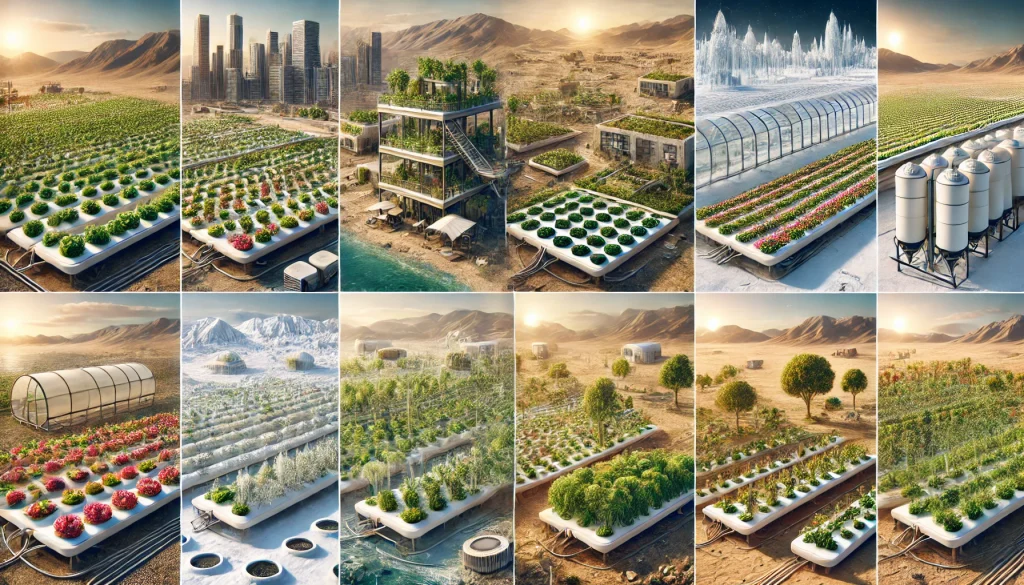
- United States: Cities like New York, Los Angeles, and Chicago are at the forefront of urban hydroponic farming. With limited space and high real estate costs, hydroponics offers a viable solution for growing fresh produce within city limits. Companies like Gotham Greens have set up rooftop farms that supply fresh greens to local markets.
- Europe: In cities like London and Paris, hydroponic farms are emerging in abandoned underground tunnels and rooftops. These farms contribute to reducing the carbon footprint by minimizing transportation needs.
- Arid and Semi-Arid Regions
- Middle East: Countries like the UAE and Saudi Arabia have invested heavily in hydroponic farming due to their arid climates. With water being a precious resource, hydroponics offers a water-efficient alternative to traditional farming. Projects like Badia Farms in Dubai showcase how hydroponic technology can thrive in harsh climates.
- Australia: In regions like Queensland and South Australia, where water scarcity is a challenge, hydroponic farms have been established to ensure a stable food supply. These farms use significantly less water compared to traditional agriculture.
- Cold Climates
- Canada: Hydroponic farming is gaining traction in colder regions like Ontario and British Columbia. Greenhouses equipped with hydroponic systems allow for year-round cultivation of crops, even in harsh winter conditions.
- Nordic Countries: In countries like Sweden and Finland, where the growing season is short, hydroponics provides a way to grow fresh produce throughout the year. Vertical farms are particularly popular, making efficient use of limited space and light.
- Tropical Regions
- Southeast Asia: Countries like Singapore and Malaysia are leading the way in tropical hydroponic farming. With limited arable land, these countries have adopted hydroponics to maximize food production in urban environments.
- Central America: In Costa Rica and Panama, hydroponic farms are being used to grow specialty crops like herbs and flowers, which are then exported to international markets.
Why Location Matters in Hydroponic Farming
The location of a hydroponic farm can greatly impact its success. Factors like climate, water availability, and proximity to markets play crucial roles in determining where these farms are established.
- Climate: Regions with extreme weather conditions, whether hot, cold, or dry, often turn to hydroponics as it allows for controlled indoor environments.
- Water Availability: Hydroponics uses up to 90% less water than traditional farming, making it ideal for areas with water scarcity.
- Urban Proximity: Being close to urban centers reduces transportation costs and ensures that produce reaches consumers quickly, maintaining freshness and quality.
Getting Started with Hydroponics
If you’re inspired by the global spread of hydroponic farming and want to start your own system, whether at home or commercially, here are some top recommendations from the Hydroponic Centre:
- AutoPot 4-Pot System – Ideal for home gardeners looking to grow a variety of plants with minimal maintenance.
- Flood & Drain System – A versatile system perfect for larger scale operations.
- LED Grow Lights – Essential for optimizing plant growth, especially in areas with limited natural light.
- Canna Nutrients – High-quality nutrients tailored to hydroponic systems to ensure healthy, vibrant plants.
The Future of Hydroponic Farming
As the global population grows and climate change impacts traditional agriculture, the demand for sustainable farming methods like hydroponics will only increase. New innovations and technologies will continue to drive the growth of hydroponic farms in diverse regions across the globe.
A Simple Summary for Young Learners
Hydroponic farms are special farms where plants grow in water instead of soil. These farms are popping up in big cities like New York and London, in deserts like Dubai, and even in cold places like Canada. They use less water, and the plants grow faster and healthier. It’s a cool way to grow food, especially where there’s not much space or where the weather is too harsh for regular farming.



