
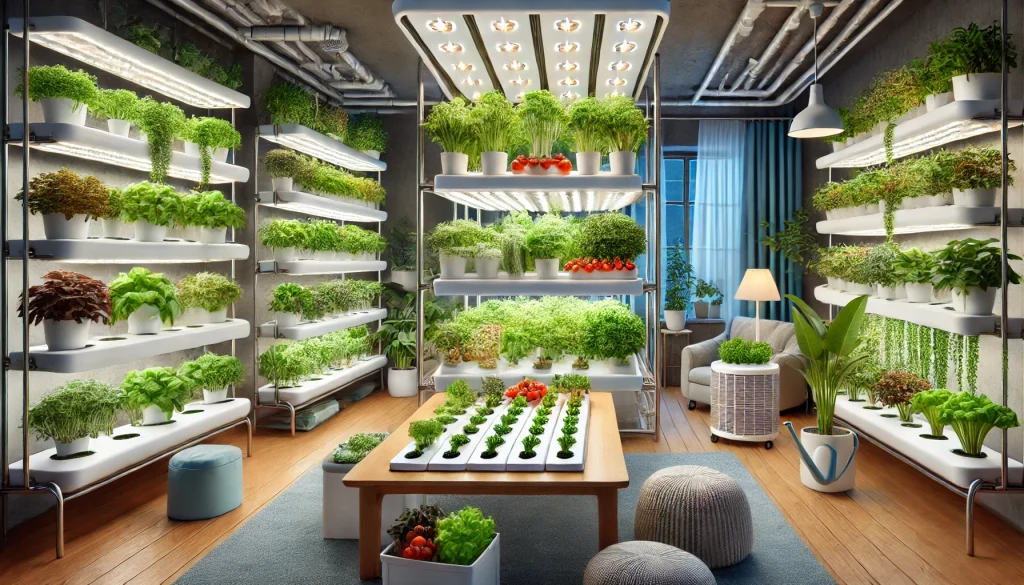
Hydroponic farming is a revolutionary method of growing plants without soil, using a nutrient-rich water solution to nourish the plants. With an increasing global demand for sustainable farming, both home gardeners and commercial farmers are turning to hydroponic systems for their versatility, efficiency, and high yield potential. Whether you’re growing vegetables, fruits, or herbs, hydroponics offers a forward-thinking solution to traditional agriculture.
In this article, we’ll explore why hydroponic farming is becoming a preferred choice, the unique benefits it offers, and how it can help both hobbyists and large-scale farmers grow healthier, faster, and more sustainably.
What is Hydroponic Farming?
Hydroponic farming is the practice of growing plants in a water-based solution that’s enriched with essential nutrients, rather than using soil. Plants thrive in a controlled environment where water, light, and nutrients are optimized to achieve faster growth, higher yields, and better quality produce. It’s an efficient and innovative method suitable for a wide range of growers, from small home setups to commercial greenhouses.
Benefits of Hydroponic Farming for Home Gardeners and Commercial Farmers
Hydroponic systems have advantages that make them attractive for gardeners and farmers alike, including increased growth rates, space-saving designs, and reduced resource usage. Let’s dive deeper into the benefits:
1. Water Efficiency
One of the biggest advantages of hydroponics is its water-saving nature. Hydroponic systems use up to 90% less water compared to traditional soil farming. The nutrient-rich water solution is recycled and reused, reducing waste and conserving water. This is especially beneficial for farmers in drought-prone areas and environmentally conscious gardeners.
2. Faster Plant Growth and Higher Yields
Plants grown hydroponically typically grow 30-50% faster than those grown in soil. Since nutrients are delivered directly to the roots, plants can focus their energy on growth rather than root development. Commercial farmers can expect higher yields in less time, and home gardeners can enjoy quicker harvests.
3. Space-Saving Farming
Hydroponic systems are perfect for growers with limited space. Vertical farming, a popular hydroponic method, allows for plants to be stacked in layers, maximizing the use of available space. This is ideal for urban gardeners or those looking to produce large quantities in smaller areas.
4. Pest and Disease Control
Without soil, the risk of soil-borne pests and diseases is drastically reduced. Hydroponic systems offer a cleaner growing environment, reducing the need for pesticides and herbicides. This is especially beneficial for organic growers and those looking to avoid chemical treatments.
5. Year-Round Growing
Hydroponic farming enables growers to cultivate plants year-round. By controlling the light, temperature, and humidity, gardeners can create the perfect growing environment regardless of the season. For commercial farmers, this means a consistent supply of produce even in off-seasons.
6. Sustainability and Eco-Friendliness
As the global population grows and agricultural land becomes scarcer, hydroponics presents a sustainable solution. With its minimal water usage, reduced need for pesticides, and space efficiency, hydroponic farming offers a way to grow more food with fewer resources, making it an eco-friendly choice for the future.
Products from Hydroponic Centre to Get You Started
Here are some recommended products from Hydroponic Centre to help you kickstart or expand your hydroponic farm:
- Flood & Drain Hydroponic System
Perfect for both beginners and experienced growers, this automated system offers precise control over water and nutrient delivery, promoting healthy and fast-growing plants. - Autopot 4 Pot System
This low-maintenance system is ideal for home gardeners. With no pumps or timers needed, it ensures consistent watering and nutrient feeding, allowing plants to grow effortlessly. - Maxibright Daylight LED Grow Light
The right light is crucial for plant growth, and this full-spectrum LED grow light mimics natural sunlight, boosting growth and energy efficiency. - Canna Aqua Vega Nutrients
Specifically designed for hydroponic systems, this nutrient solution provides the essential elements plants need during their growth phase, ensuring healthy, vigorous plants.
How to Start Hydroponic Farming?
Step 1: Choose Your System
Decide whether you want to start small with a home-based hydroponic system like the Autopot or go big with a commercial setup like the Flood & Drain. Vertical farming systems are ideal for space optimization.
Step 2: Select Your Plants
Not all plants are equally suited to hydroponics. Leafy greens, herbs, tomatoes, cucumbers, and strawberries are some of the best plants to grow hydroponically due to their fast growth rates and compatibility with water-based systems.
Step 3: Optimize Lighting and Environment
Lighting is crucial for photosynthesis. LED grow lights, such as the Maxibright Daylight series, provide energy-efficient, full-spectrum light that simulates natural sunlight. Control temperature and humidity for optimal results.
Step 4: Use High-Quality Nutrients
Without soil, your plants rely on nutrient solutions. Products like Canna Aqua Vega ensure plants get the proper balance of nutrients they need for robust growth.
Hydroponics Made Simple for All Ages
Hydroponic farming can sound complicated, but it’s really a smart way to grow plants. Imagine watering plants using only what they need, without wasting any water. Hydroponics works like that! Instead of planting in soil, you use water filled with nutrients that feed the plants. It’s like giving them a perfect smoothie every day!
This method is great because it helps plants grow faster and uses less water. You can even grow a lot of plants in a small space, like on shelves. People use it to grow vegetables, fruits, and herbs, and the best part is, you can grow food all year long. So whether you want to grow your own tomatoes at home or run a big farm, hydroponics makes farming easy, fun, and sustainable.
Conclusion
Hydroponic farming is an innovative solution for both home gardeners and commercial farmers. With its water efficiency, space-saving designs, faster plant growth, and eco-friendly practices, it is paving the way for the future of agriculture. Whether you’re new to hydroponics or an experienced grower, investing in the right tools, like those from Hydroponic Centre, can ensure success.
Hydroponics represents a sustainable and efficient way to meet the growing demand for fresh produce. It empowers gardeners to grow their own food in smaller spaces while offering commercial farmers the ability to produce high yields with fewer resources. From its environmental benefits to the excitement of watching plants grow faster and healthier, hydroponic farming is truly the future of agriculture.



