
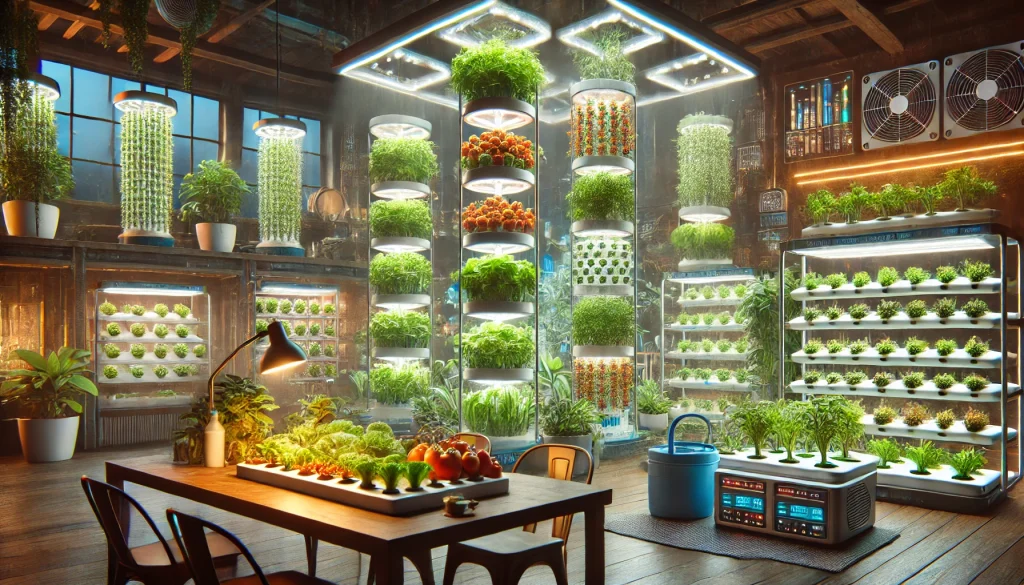
Hydroponic culture has gained traction for its ability to grow plants without soil, using nutrient-rich water solutions. This system is a game-changer, particularly for those with limited space or poor soil quality, such as home gardeners and commercial farmers. Here’s why hydroponics is becoming essential in modern agriculture.
What is Hydroponics?
Hydroponics refers to the process of growing plants in a water-based, nutrient-rich solution. Instead of soil, plants rely on alternative mediums like clay pebbles, perlite, or rockwool to provide support. Nutrients, which plants normally draw from soil, are directly dissolved into water, ensuring plants get an optimal balance for growth.
Why is Hydroponics Used?
- Efficient Use of Resources Traditional farming methods require vast amounts of land, water, and fertilizers. In contrast, hydroponic systems use up to 90% less water since the same water is recirculated. For home gardeners and commercial farmers in drought-prone regions, this makes hydroponics highly sustainable.
- No Soil Required Growing in soil comes with challenges—pests, diseases, and limited fertility. Hydroponics eliminates these issues. It’s perfect for urban environments or areas with poor soil quality, allowing you to grow fresh produce year-round. Systems like Aeroponic Systems from Hydroponic Centre provide excellent support.
- Faster Growth and Higher Yields With hydroponics, plants grow faster. By having their nutrients delivered directly to their roots, they don’t have to expend energy searching for sustenance. This results in up to 30-50% faster growth compared to soil-based plants. For commercial farmers, this means quicker harvest cycles and more crops per year.
- Space Optimization In cities, space is a luxury. Hydroponics enables vertical farming, maximizing space by stacking plants in tiers. This makes it an ideal option for urban farmers and people growing food indoors.
- Better Control Over Nutrients and Environment Hydroponics allows for complete control over a plant’s environment. Factors like light, temperature, and nutrients can be precisely managed. Using tools like LED Grow Lights or Nutrient Boosters from Hydroponic Centre, growers can customize the perfect environment, maximizing growth potential.
Products to Start Your Hydroponic Journey
To begin a hydroponic setup, some essential products from Hydroponic Centre can significantly improve your growing experience:
- Grow Systems and Pots: These systems support various hydroponic techniques, like flood-and-drain systems or drip irrigation.
- Growth Technology GreenHaze Grow A&B: Ideal for balanced nutrition delivery during the plant’s vegetative stage.
- LED Grow Lights: Vital for indoor growing setups, ensuring your plants get the right amount of light even in low-light environments.
- Propagators: Perfect for starting seeds or cloning plants in a controlled setting.
Sustainability in Hydroponics
One of the primary drivers behind hydroponic systems is sustainability. With global resources becoming scarcer, the need for efficient farming is growing. Hydroponics offers a solution that uses minimal water, land, and energy, while still producing abundant, fresh crops.
Types of Hydroponic Systems
- Nutrient Film Technique (NFT) In NFT systems, a thin film of nutrient solution continuously flows over the plant roots, allowing for efficient nutrient absorption and aeration.
- Deep Water Culture (DWC) This involves suspending plant roots in nutrient-rich water. It’s an easy setup for beginners and ensures excellent oxygenation of the roots.
- Drip Systems Water and nutrients are dripped onto the base of each plant in a controlled manner, making it easy to scale for commercial applications.
- Aeroponics Aeroponic systems use mists to deliver nutrients to plant roots suspended in the air, providing the highest efficiency in nutrient delivery.
Challenges in Hydroponic Culture
While hydroponics has many advantages, there are also challenges to consider:
- Initial Setup Cost: Building a hydroponic system, particularly for commercial farmers, requires significant investment. However, the long-term savings from reduced water and nutrient usage make it worthwhile.
- Technical Knowledge: Managing a hydroponic system requires a learning curve, particularly in balancing pH levels, nutrients, and maintaining equipment like pumps and air diffusers.
How to Set Up a Basic Hydroponic System
For those interested in starting a hydroponic system, here’s a simple setup process:
- Choose Your System: Pick from systems like Deep Water Culture (DWC) or Nutrient Film Technique (NFT) based on your needs.
- Get the Right Medium: Products like Clay Pebbles or Rockwool are excellent choices.
- Pick Nutrients: You’ll need hydroponic-specific nutrients like Growth Technology GreenHaze A&B, which delivers the correct balance of nutrients.
- Ensure Proper Lighting: LED grow lights are necessary if growing indoors, as plants need ample light to photosynthesize.
Hydroponics Made Simple for Kids
Hydroponics is like growing plants in water instead of soil. Imagine if your plant got all the food it needed straight from the water, without needing to search for it in the soil! With hydroponics, you can grow food in small spaces, like your room, and it uses way less water, which helps save the planet!
Final Thoughts
Hydroponics is revolutionizing the way we grow food, offering higher yields, faster growth, and better sustainability. Whether you’re a home gardener looking to maximize space or a commercial farmer aiming to increase production, hydroponics provides a future-proof solution for growing plants.



