
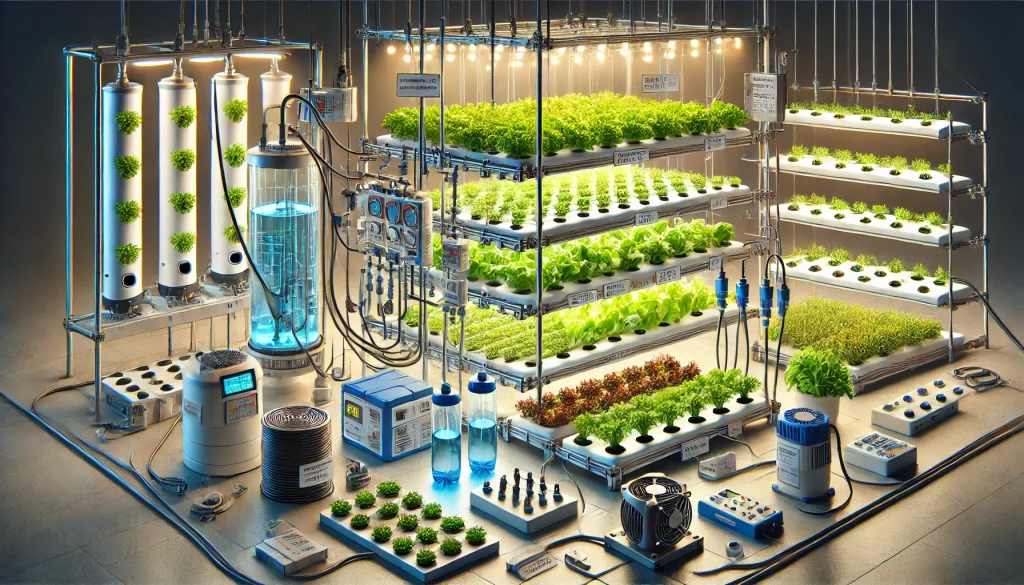
Hydroponic farming has gained considerable attention as a modern, soilless method of growing plants, often touted for its ability to produce higher yields with less water and space. However, like any farming technique, hydroponics comes with its challenges that may not make it feasible for everyone. This article will explore these challenges in detail, especially for home gardeners and commercial farmers, two of the largest groups interested in hydroponic systems.
1. High Initial Setup Costs
One of the main drawbacks of hydroponic farming is the significant upfront cost. Unlike traditional soil farming, setting up a hydroponic system requires specialized equipment such as grow lights, pumps, water filtration systems, and sometimes climate control. This can be especially cost-prohibitive for home gardeners or small-scale farmers looking to dip their toes into hydroponics. For commercial operations, although the long-term benefits may outweigh these costs, the initial investment is still a hurdle to overcome.
Recommended Product:
- Affordable LED Tent Kits – These grow tent kits include LED lighting, which is crucial for controlling the environment, especially for indoor hydroponic setups. The affordable kits are a great entry point for those wary of high costs.
2. Energy Consumption
Hydroponic systems rely on artificial lighting, temperature control, and water circulation, which require a continuous power supply. In contrast, traditional farming relies more on natural sunlight and seasonal temperatures, making it less energy-intensive. For those looking to reduce their carbon footprint or save on electricity bills, this aspect of hydroponics can be a deal-breaker.
Recommended Product:
- Shogun Fertilisers – Designed to enhance nutrient absorption and plant growth, these fertilisers can support more efficient use of resources in hydroponic systems, but energy consumption remains a challenge.
3. Technical Expertise and Maintenance
Hydroponic farming requires a deeper understanding of water pH, nutrient balance, and plant biology. Systems such as Deep Water Culture (DWC) or Drip Systems demand regular monitoring of these factors. A failure in one component, such as a pump malfunction, can quickly lead to crop loss. This high level of technical expertise and constant maintenance may deter many home gardeners who prefer the simplicity of traditional soil gardening.
Recommended Product:
- Meters for pH and EC Control – Tools such as pH meters are essential for managing nutrient levels. However, even with these tools, hydroponics demands regular maintenance and adjustments.
4. Water Quality and Disease Risk
Although hydroponics uses less water than traditional farming, the quality of water is more critical. Any contamination in the water supply can lead to rapid disease spread throughout the entire system. In traditional farming, soil often acts as a buffer, reducing the spread of pathogens, but in hydroponics, diseases can spread quickly in nutrient-rich water, risking total crop failure.
Recommended Product:
- ONA Odour Control and Pest Control Systems – These products can help manage some risks related to disease and pests in a controlled grow room environment.
5. Environmental Impact
While hydroponics is often praised for its water-saving capabilities, the environmental impact can be higher when considering factors such as energy use and the manufacturing of non-biodegradable materials like plastic for growing trays and containers. These systems may not always be the sustainable solution they’re often marketed as.
Synthesis for Kids:
Hydroponics is a way to grow plants without soil, but it can be tricky. You need special tools and lights, and it costs a lot of money to start. The plants grow in water, and you have to make sure the water is clean and full of the right nutrients. It also uses more electricity, which means higher bills. So while it’s great for some farmers, it’s not the best for everyone.
Conclusion
Hydroponic farming offers undeniable advantages, especially in environments where traditional farming is not viable. However, the high setup costs, energy consumption, technical expertise, and ongoing maintenance requirements mean that it’s not feasible for everyone, particularly for small-scale home gardeners or those without the necessary expertise. For larger commercial operations, the returns on investment might justify the challenges, but careful consideration is essential before making the leap into hydroponics.



