
1. High Initial Costs
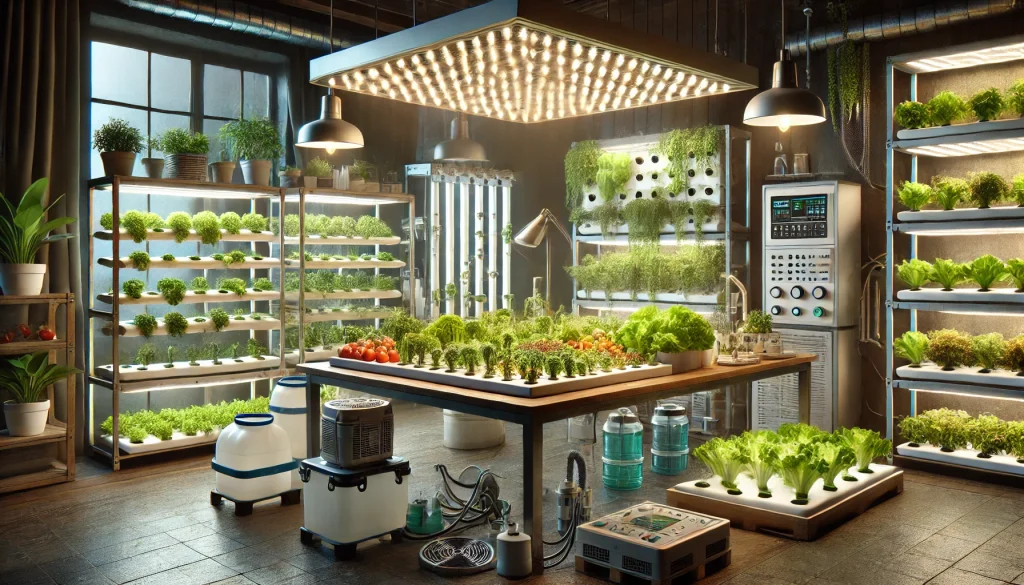
One of the primary reasons hydroponics hasn’t gained mass popularity is the upfront cost of setting up a system. For home gardeners and commercial farmers alike, hydroponic systems can be expensive to install. From specialized equipment like grow lights and water pumps to quality nutrients and climate control systems, the investment can feel overwhelming compared to traditional soil-based methods.
Example: If you’re growing hydroponic vegetables like lettuce or tomatoes, you need items such as grow trays, nutrient solutions, and possibly even automation tools, all of which can push up costs.
2. Complexity and Learning Curve
Hydroponics requires a different set of skills than traditional farming. Understanding pH levels, nutrient balances, and how to maintain a controlled growing environment can intimidate beginners. For the average home gardener, this steep learning curve can be a barrier to adoption.
3. Lack of Public Awareness
While more people are hearing about hydroponics, there’s still limited general knowledge about how it works. Many consumers don’t know that hydroponics can be just as, if not more, efficient and productive than soil-based farming. Without widespread education and outreach, it’s challenging to convince people to switch to hydroponics.
4. Misconceptions About Sustainability
Some believe hydroponics is resource-intensive and thus not as eco-friendly as it claims to be. Critics point to the electricity required for artificial lighting and climate control as a downside. However, when designed and managed properly, hydroponic systems can actually use less water and land than traditional farming methods.
5. Space Requirements and Setup Challenges
Even though hydroponics can be more efficient in terms of space, certain setups require specific infrastructure, such as grow rooms or greenhouses, which not everyone has access to. Moreover, growing plants indoors with hydroponics requires a controlled environment, which can be difficult for those living in small apartments or urban areas without the proper resources.
How Hydroponics Is Gaining Momentum
Despite these challenges, hydroponics is on the rise. New technologies and increasing environmental awareness are slowly changing public perceptions and making hydroponics more accessible.
1. Advances in Technology
As technology evolves, the cost of hydroponic systems is decreasing. More affordable and user-friendly setups are becoming available, making hydroponics more accessible to a broader audience. For instance, automatic nutrient dosing systems and pH sensors simplify the growing process, reducing the skill level required.
Recommendation: At Hydroponic Centre, you’ll find innovative solutions like Wilma XL 4 Pot Systems or the IWS Flood & Drain System, which automate many aspects of plant care, reducing both the learning curve and maintenance time.
2. Environmental Awareness and Urban Farming
Sustainability is a growing concern, and hydroponics fits perfectly into urban farming initiatives. It uses less water, reduces the need for pesticides, and requires less land—appealing features in urban areas where space is limited.
For instance, vertical farms and rooftop hydroponic gardens are becoming more common in cities worldwide. These urban hydroponic farms help combat food deserts and contribute to the local food supply.
3. Educational Initiatives
As awareness of hydroponics grows, so do educational resources. Universities, agricultural organizations, and even private companies are offering more training on hydroponic growing techniques. Many home gardeners are also taking to online forums, YouTube tutorials, and social media to share their success stories and tips.
The Future of Hydroponics
As technology advances and awareness grows, hydroponics could become as popular as soil-based farming. With potential applications ranging from sustainable urban farming to growing crops in space, hydroponics represents the future of agriculture. Here are a few trends shaping the industry’s future:
1. Space Exploration
Hydroponics could play a critical role in feeding astronauts during long-term space missions. NASA has already explored hydroponic systems as a sustainable way to grow food in space, with projects like the Veggie plant growth system on the International Space Station (ISS).
2. Global Food Security
With a growing population and decreasing arable land, hydroponics offers a solution to produce more food using less land and water. The ability to grow crops in controlled environments means that hydroponic farming can help feed populations in arid or urban areas where traditional farming isn’t viable.
3. Innovations in Smart Farming
Smart hydroponic systems equipped with AI and machine learning are on the horizon. These systems can monitor plant health, adjust nutrient levels, and optimize light exposure, making hydroponics more efficient and scalable.
Hydroponics Explained for Kids: A Simple Guide
Imagine you have a plant, but instead of planting it in the dirt, you grow it in water! That’s what hydroponics is. The plant’s roots float in special water that has all the nutrients it needs to grow. It’s like giving the plant a superpower because it grows faster and uses less space. You don’t even need a big garden—sometimes people grow plants in small boxes inside their houses. Plus, it saves water and doesn’t need soil, which is really cool!
Final Thoughts
While hydroponics may not be mainstream just yet, its potential is undeniable. The high setup cost, learning curve, and lack of public awareness are real barriers. However, with advances in technology and a growing push for sustainable practices, hydroponics is poised to play a key role in the future of agriculture. Whether you’re a home gardener looking to try something new or a commercial farmer seeking efficiency, the world of hydroponics has something to offer.
For those interested in starting their own hydroponic system, check out the range of products available at Hydroponic Centre, including starter kits and advanced systems.



