
Introduction
Hydroponic farming, a revolutionary method of growing plants without soil, has gained immense popularity in recent years. But when did this innovative practice begin? In this article, we will explore the origins of hydroponic farming, its evolution, and how it has become a vital technique for modern agriculture.
1. The Origins of Hydroponic Farming
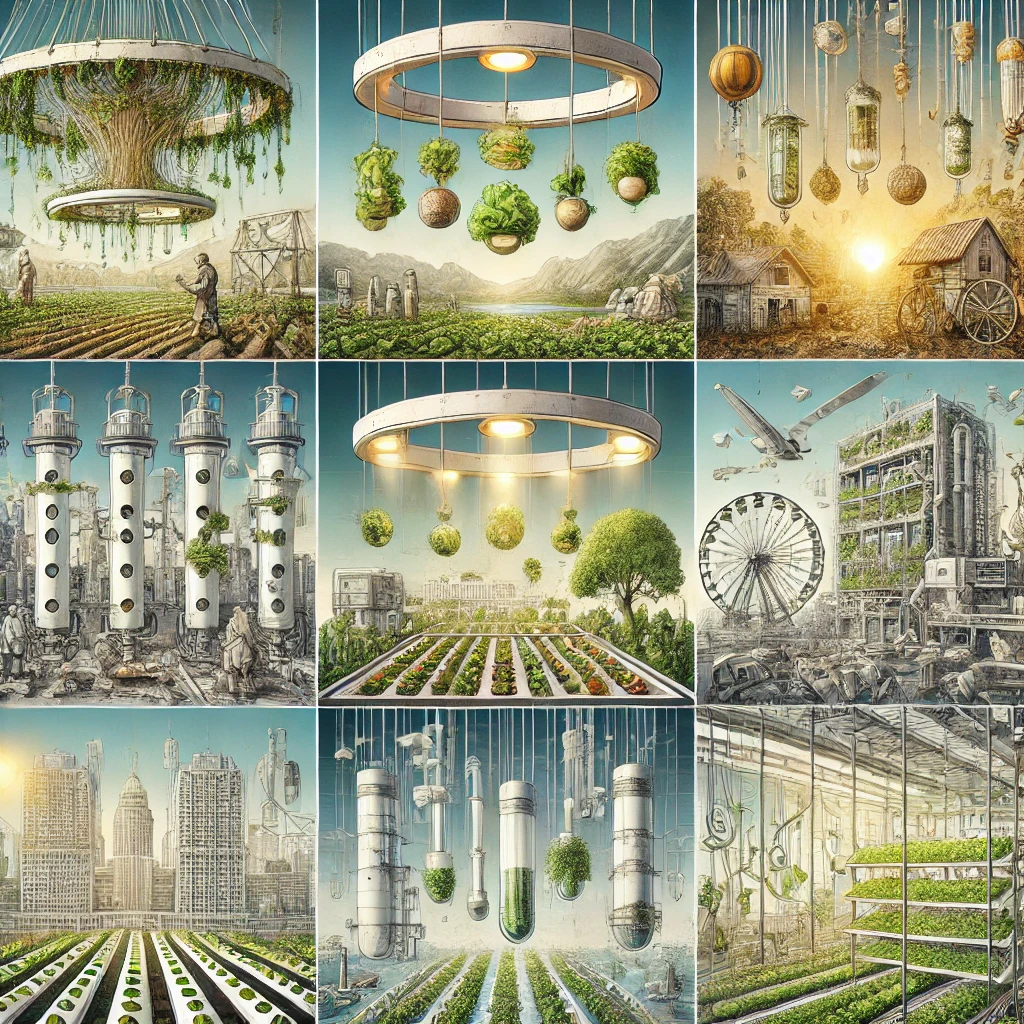
- Ancient Beginnings: The earliest forms of hydroponic farming can be traced back to ancient civilizations, including the Hanging Gardens of Babylon and the floating gardens of the Aztecs.
- Scientific Discovery: In the 17th century, scientists began to understand that plants could absorb nutrients through water, paving the way for modern hydroponics.
2. The Evolution of Hydroponics in the 20th Century
- Early Experiments: In the 1920s and 1930s, scientists in the United States and Europe conducted experiments that refined hydroponic techniques, making it a viable alternative to traditional soil-based farming.
- World War II and Beyond: Hydroponics gained significant attention during World War II as a means to grow food in non-arable areas. Post-war, the technology continued to advance.
3. Modern Hydroponic Farming
- Technological Advancements: The late 20th and early 21st centuries saw rapid advancements in hydroponic systems, including nutrient film techniques, aeroponics, and deep water culture.
- Sustainability and Urban Farming: Today, hydroponics is a cornerstone of sustainable agriculture, especially in urban areas where space is limited. It allows for year-round production with minimal water usage and environmental impact.
4. FAQs About Hydroponic Farming
- Q: Is hydroponic farming more expensive than traditional farming?
- A: Initial costs may be higher, but long-term savings in water, space, and yield efficiency often make it more cost-effective.
- Q: Can I grow any plant hydroponically?
- A: Most plants can thrive hydroponically, though some, like root vegetables, may require specialized systems.
5. The Future of Hydroponic Farming
- Innovations on the Horizon: The future of hydroponics includes AI-powered systems, automated nutrient delivery, and vertical farming, promising even more efficient and sustainable food production.
6. Simplifying Hydroponic Farming for Kids Imagine growing plants without dirt! Instead, the plants get all the food they need from water. This method is called hydroponics, and it’s been around for a long time, even before the internet! Today, people use hydroponics to grow food in big cities and save water.
Conclusion Hydroponic farming has evolved from ancient practices to a sophisticated technology that is reshaping agriculture. Whether you’re a home gardener or a commercial farmer, hydroponics offers a sustainable and efficient way to grow plants. With ongoing advancements, the future of farming looks greener than ever.
For more information on products visit https://hydroponic-centre.co.uk/ or ask one of our advisors. Happy Growing !



