
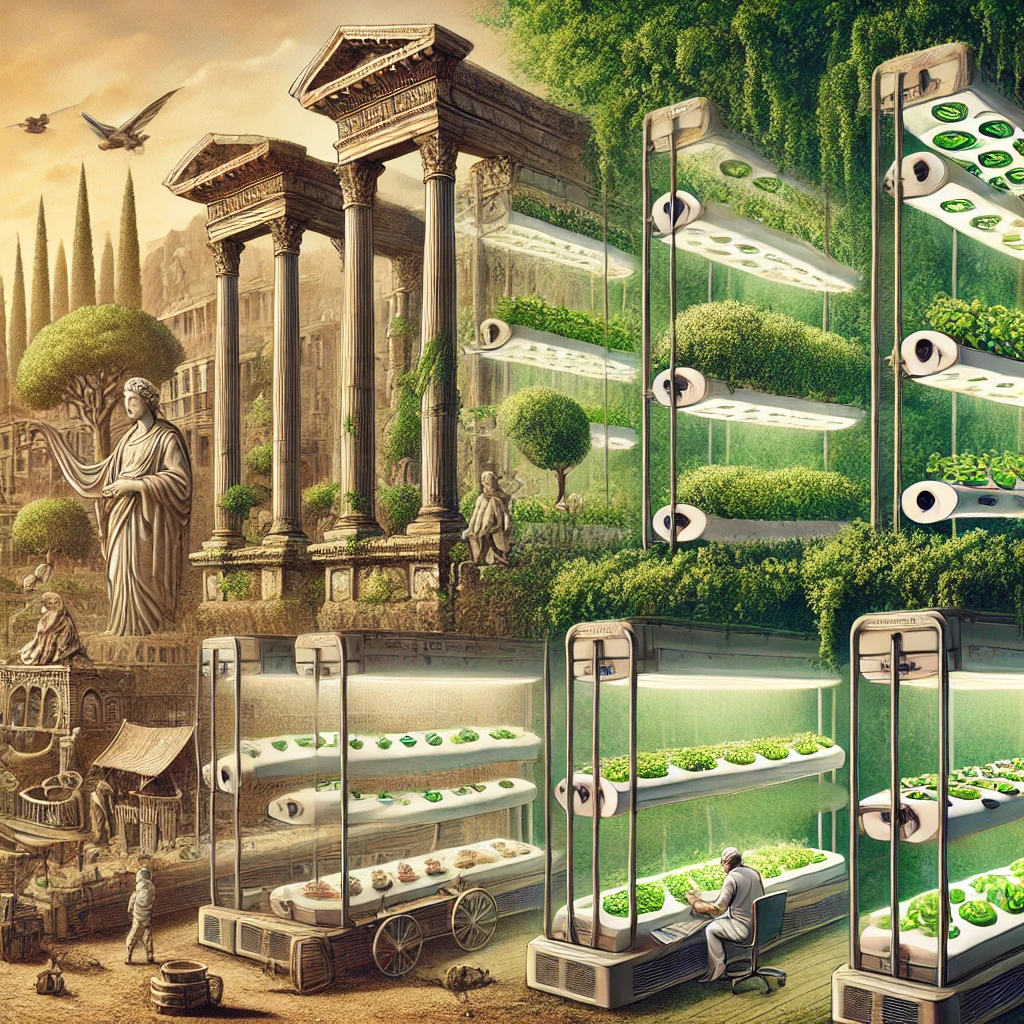
Hydroponic farming has become a buzzword in modern agriculture, but have you ever wondered when this innovative method of growing plants without soil actually began? In this article, we’ll take you through the fascinating history of hydroponics, from its ancient origins to its contemporary applications.
The Ancient Roots of Hydroponics
Although hydroponics seems like a modern innovation, its roots stretch back thousands of years. The Hanging Gardens of Babylon, one of the Seven Wonders of the Ancient World, are often cited as one of the earliest examples of hydroponic farming. Built around 600 BCE, these gardens reportedly used a form of water culture to nourish the plants.
The concept of growing plants in water rather than soil also appeared in ancient Egyptian texts dating back to 3,000 BCE. These texts describe the cultivation of crops in water, particularly along the Nile River, where fertile soil was often scarce.
The Evolution of Hydroponics in the 20th Century
The word “hydroponics” itself was coined in the early 20th century by Dr. William F. Gericke, a researcher at the University of California, Berkeley. Dr. Gericke is often credited with popularizing the method for growing large-scale crops using nutrient-rich water solutions. He demonstrated that it was possible to grow tomatoes and other plants without soil, paving the way for the development of modern hydroponic systems.
During World War II, hydroponics gained further attention as the U.S. military used the technique to supply fresh produce to troops stationed on remote islands in the Pacific. The success of these hydroponic gardens solidified the method’s potential for widespread agricultural use.
Modern Hydroponics: From NASA to Your Home
In the latter half of the 20th century, NASA took an interest in hydroponics for growing food in space. Research into this area helped advance hydroponic technology, making it more efficient and accessible.
Today, hydroponics is used in various settings, from commercial greenhouses to small-scale home gardens. It offers a sustainable solution for growing food in urban environments and areas with poor soil quality. Home gardeners and commercial farmers alike are now harnessing the power of hydroponics to grow fresh, organic produce year-round.
Why Hydroponics? The Benefits for Home Gardeners and Commercial Farmers
Whether you’re a home gardener or a commercial farmer, hydroponics offers numerous benefits:
- Space Efficiency: Hydroponic systems can be set up vertically, making them ideal for urban environments with limited space.
- Water Conservation: Hydroponics uses up to 90% less water than traditional soil-based farming, making it a sustainable choice.
- Faster Growth: Plants grown hydroponically often mature faster and yield more produce.
- Pest Control: The absence of soil reduces the risk of soil-borne pests and diseases, minimizing the need for pesticides.
Recommended Hydroponic Products for Beginners and Pros
If you’re interested in starting your hydroponic journey, here are some products from Hydroponic Centre that can help you get started:
- Grow Tents: Ideal for creating a controlled environment, perfect for beginners and pros alike.
- Nutrient Solutions: Tailored nutrient mixes to ensure your plants get everything they need to thrive.
- LED Grow Lights: Energy-efficient lighting options that mimic natural sunlight.
- Hydroponic Systems: Complete systems for both hobbyists and commercial growers, including deep water culture and drip systems.
These products are designed to simplify the hydroponic process, ensuring success whether you’re a beginner or an experienced grower.
Simplified Version for Kids: How Hydroponics Began
Imagine a long time ago, people found a way to grow plants without dirt! They used water with special food in it to help the plants grow big and strong. This idea is super old, like from the time of the ancient Egyptians and even the Hanging Gardens of Babylon. Over the years, smart people kept making this water-growing method better and better. Now, we use it to grow food in places with little space or bad soil. It’s like a magic trick, but it’s real!



