
You usually notice the problem at the worst point in the cycle. The fan is running, airflow seems normal, but there is a faint smell outside the tent or near the extraction point. If you are asking when to replace carbon filter equipment, the short answer is before odour control becomes unreliable, not after it has already failed.
For indoor growers, a carbon filter is not a fit-and-forget item. It is a consumable component in the extraction system, and its lifespan depends on runtime, humidity, fan speed, room conditions and build quality. Some filters keep performing well for a year or more. Others lose effectiveness much sooner if they are undersized, run too hard or exposed to poor environmental control.
When to replace carbon filter units
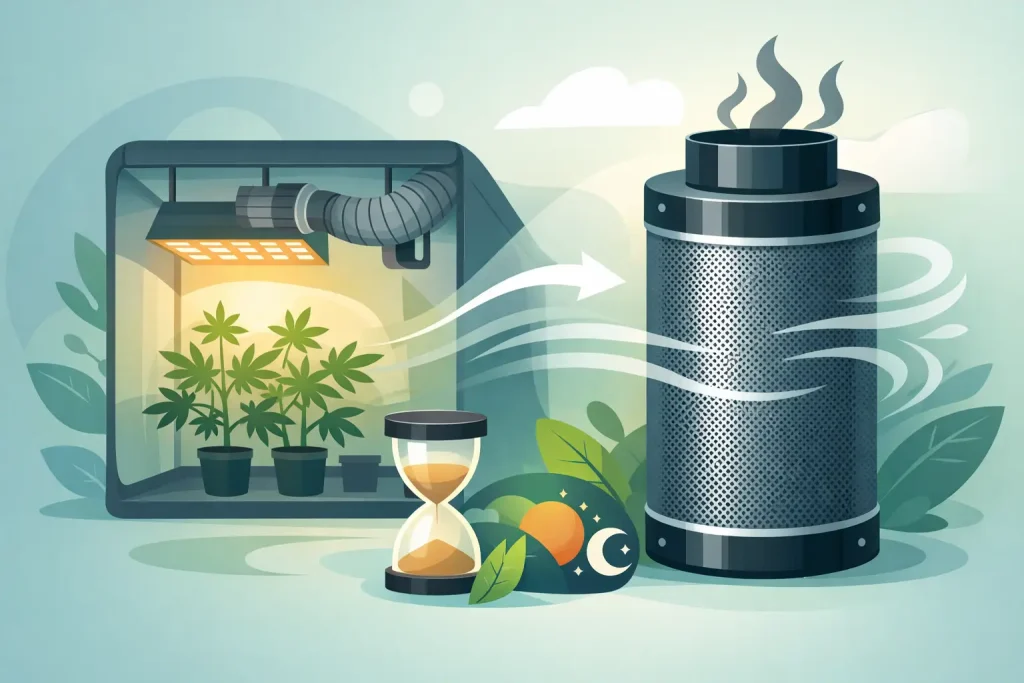
Most growers should expect to replace a carbon filter somewhere between 12 and 24 months of regular use. That is a useful working range, but it is only a starting point. A small tent running continuously through multiple cycles with high humidity can burn through a filter faster than a larger, well-balanced setup with better climate control.
If your extraction is running 24/7, the carbon is constantly adsorbing volatile organic compounds. Over time, the active carbon becomes saturated. Once that happens, odours start passing through even if the rest of the ventilation system still looks fine on paper.
In practical terms, replace the filter when odour begins to escape, when performance drops despite the fan and ducting being in good order, or when the unit has reached the realistic end of its service life. Waiting for complete failure is not good practice, especially if discretion matters.
What actually affects filter lifespan
Not all carbon filters age at the same rate. The biggest factor is usage. A filter running non-stop in flower will wear faster than one used intermittently or in a lighter-duty environment.
Humidity is another major variable. High relative humidity reduces the carbon’s ability to capture odour molecules efficiently. If your room spends long periods above the recommended range, especially late in flower, the filter has to work harder and may lose effectiveness sooner.
Fan matching matters as well. If the extractor is too powerful for the filter, air moves through the carbon bed too quickly. That cuts contact time and reduces odour scrubbing efficiency. In some cases, growers assume the filter is spent when the real issue is an overpowered fan or poor system matching.
Carbon quality, bed depth and overall build also make a difference. Better filters tend to use higher-grade activated carbon, more consistent packing and more reliable housings. Cheaper units can work, but they often show performance drop-off earlier.
Pre-filter maintenance is often overlooked. The white sleeve around the outside is there to catch dust and larger particles before they enter the carbon. If that sleeve is clogged and never washed or replaced, airflow suffers. Reduced airflow can make the whole extraction setup less efficient and may cause unnecessary strain on the fan.
The signs your carbon filter is due for replacement
The clearest sign is obvious: smell where there should not be smell. If odour is escaping the tent, room or exhaust line and your environmental conditions are otherwise stable, the filter is likely approaching the end of its useful life.
A second sign is a gradual decline rather than a sudden failure. Many filters do not stop working overnight. Instead, odour suppression weakens bit by bit. Growers often notice this first during the later flowering stage, when aroma production ramps up and the filter can no longer keep pace.
You may also see airflow issues, though this needs a bit of care in diagnosis. Poor extraction can come from blocked ducting, dirty pre-filters, failing fans or badly designed runs with too many bends. If you have checked those and the system is still underperforming, the filter may be loaded up internally.
Physical age matters too. If the filter has been through several full runs and you cannot remember when it was installed, that is usually your answer. Consumables with no service log tend to get pushed too far.
How to tell if the problem is the filter or the setup
Before replacing anything, check the basics. Make sure the fan is operating at the correct speed, the ducting is not crushed, and all joints are sealed. A small air leak can let odour bypass the filter entirely, which looks like filter failure even when the carbon is still serviceable.
Check for negative pressure in the tent. If the tent walls are not drawing in slightly when extraction is on, air may be escaping elsewhere. That means the filter is not processing all the outgoing air. In that case, replacing the filter alone will not solve the issue.
Look at humidity and temperature trends. If the room has been running wet, especially in flower, filter efficiency may have dropped temporarily or permanently. A filter in a poor environment can appear worn out early because the room is outside its workable operating range.
Also confirm the filter and fan are properly matched for airflow. A filter with a lower maximum rating than the extractor fan can struggle from day one. If that mismatch is severe, even a brand-new unit may not deliver the odour control you expect.
Can a carbon filter be refilled or reactivated?
Some growers look for ways to extend life by refilling or reactivating the carbon. In most cases, for standard grow-room filters, replacement is the practical option. Refilling is messy, inconsistent and rarely worth the time unless you are dealing with specialist serviceable housings.
Heating or airing out a used filter will not restore proper adsorption performance in any reliable way. Once the carbon is saturated and performance has dropped, replacement is the straightforward fix. For most indoor setups, downtime, odour risk and the labour involved make improvised fixes a poor trade-off.
Getting the most from the next filter
If you are replacing a unit, it is worth looking at the full extraction setup rather than swapping like for like without checking the numbers. Correct sizing is the first step. Match the filter to the actual airflow requirement of the space and to the fan’s output, allowing for losses from duct length, bends and silencers.
Keep humidity under control, particularly during flowering. Good climate management helps plant health and extends the effective life of odour-control equipment. Clean or replace the pre-filter sleeve as part of routine maintenance rather than leaving it until airflow drops off.
Mounting also matters. A securely fitted filter inside the tent on the intake side of the extractor is the standard arrangement because it scrubs air before it leaves the space. If the installation is loose or badly sealed, odour can bypass the system even with a decent filter in place.
It is also sensible to keep a rough install date on the unit or in your grow notes. That removes guesswork later. In a busy room with lighting, irrigation, nutrients and environmental control already needing attention, simple maintenance records save time.
When to replace carbon filter equipment earlier than expected
There are situations where replacing early is the better call. If you are entering late flower and starting to notice even light odour leakage, do not assume the filter will hold out until harvest. That is exactly when aroma output increases and weak filters get exposed.
The same applies if you are changing the room setup. Moving to a more aromatic cultivar, increasing canopy size or upgrading extraction without upgrading the filter can all shorten the useful window. A filter that was acceptable for one run may be underspecified for the next.
Commercially minded growers and anyone relying on strict discretion usually benefit from replacing slightly ahead of failure. That costs more upfront, but it reduces risk. In practical terms, predictable replacement is cheaper than reactive troubleshooting once odour starts travelling.
A sensible replacement schedule
For most home and small-scale indoor growers, checking filter performance between runs is good practice and planning replacement every 12 to 18 months is sensible if the system runs continuously. Heavier-use rooms, humid environments or aggressively matched fans may need a shorter cycle. Light-use setups with good climate control can stretch beyond that, but only if performance is still there.
The key point is that carbon filters do not fail according to a calendar alone. They fail according to workload. If the room smells clean, the system is balanced and your maintenance is up to date, the filter may still have life left. If odour starts slipping through, the schedule no longer matters.
Treat the carbon filter like any other critical grow-room component. Monitor it, size it correctly, and replace it before it becomes the weak point in an otherwise dialled-in setup.






