
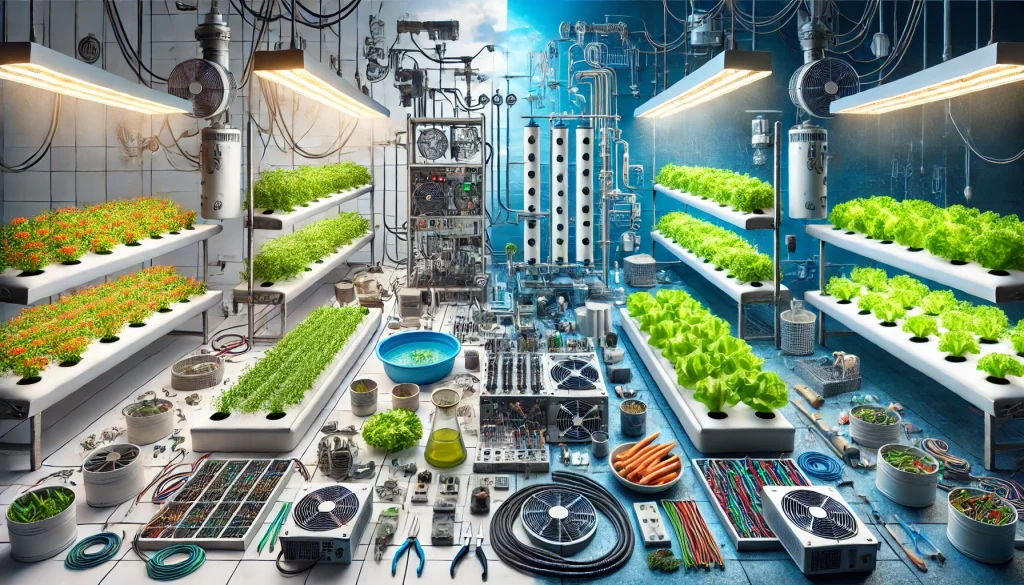
Hydroponic farming, once heralded as a breakthrough in modern agriculture, has gained significant popularity for its ability to grow plants in water, without soil. While it presents numerous advantages, such as faster growth rates, space efficiency, and reduced water usage, it’s not without drawbacks. In this article, we will explore the reasons why hydroponic farming might not be the perfect solution for everyone, especially home gardeners and commercial farmers.
1. Introduction: What is Hydroponic Farming?
Hydroponic farming is a method of growing plants without soil, using a nutrient-rich water solution to feed the roots directly. It has revolutionized indoor farming and urban agriculture due to its space efficiency and higher crop yields. Despite these apparent benefits, hydroponic systems may not always be ideal for every farmer or gardener. The aim of this article is to weigh these disadvantages, helping you decide whether hydroponic farming is the best choice for your gardening needs.
2. Common Criticisms of Hydroponic Farming
Hydroponic systems are often lauded as being the future of agriculture, but they also have several key criticisms:
- Artificial Nature: Unlike traditional soil farming, hydroponic systems require a synthetic nutrient solution. This raises concerns about whether the crops grown are truly natural or as healthy as those cultivated in soil.
- Dependence on Technology: Hydroponic systems rely heavily on technology, from the pumps and grow lights to timers and sensors. Any malfunction in this equipment can disrupt the entire system and lead to crop failure.
- Labor-Intensive Maintenance: Keeping the system in balance requires ongoing maintenance, making it time-consuming, especially for beginners or those unfamiliar with the technology.
3. Environmental Impact of Hydroponic Systems
While hydroponic farming is often marketed as an eco-friendly alternative due to its water efficiency, it is not without environmental concerns:
- Energy Use: Hydroponic systems, particularly indoor setups, are energy-intensive due to the need for artificial lighting, water pumps, and climate control systems. This can lead to a large carbon footprint unless renewable energy is used.
- Chemical Waste: The nutrient solutions used in hydroponics can contain synthetic fertilizers, which may lead to water pollution if not managed correctly. Additionally, when improperly disposed of, these chemicals can harm local ecosystems.
- Plastic Usage: Hydroponic setups often rely heavily on plastic components, from trays to water reservoirs, contributing to plastic waste, which has a long-term environmental impact.
4. High Costs and Technical Expertise Required
One of the most significant disadvantages of hydroponic farming is the initial cost and the technical knowledge required to maintain it:
- High Setup Costs: The infrastructure for a hydroponic system is much more expensive than traditional soil farming. You will need to invest in water pumps, nutrient solutions, LED grow lights, and other specialized equipment.
- Technical Expertise: Hydroponics requires a strong understanding of plant biology, nutrient management, and environmental control. For those without this expertise, it can be a steep learning curve.
5. Potential for Nutrient Deficiencies
Hydroponic systems require a careful balance of nutrients, and improper management can lead to deficiencies that affect plant growth:
- Precision is Key: If the nutrient solution is not perfectly balanced, plants may experience deficiencies or toxicities, leading to poor growth or even death.
- Limited Nutrient Diversity: Unlike soil, which naturally contains a broad spectrum of nutrients, hydroponic systems rely on artificially mixed solutions. This can limit the diversity of micronutrients available to the plants.
6. Limited Crop Variety in Hydroponics
While hydroponics is excellent for growing leafy greens and herbs, it has limitations when it comes to more complex crops:
- Limited to Fast-Growing, Shallow-Rooted Plants: Hydroponic systems are ideal for plants like lettuce, spinach, and basil. However, more substantial, deep-rooted plants such as corn, carrots, or potatoes may not thrive in this environment.
- Taste and Texture Issues: Some critics argue that crops grown hydroponically, particularly tomatoes, can have a different taste or texture compared to their soil-grown counterparts, which can be a dealbreaker for certain consumers.
7. Synthesis: Simplifying Hydroponics for Kids
Imagine you’re growing plants in water instead of dirt. You add food to the water so the plants grow strong. This type of farming is called “hydroponics.” Some people say it’s great because it saves space and uses less water. But, it’s also hard to keep everything working right, and it costs a lot of money to get started. Plants grown this way might not taste the same, and it’s not always better for the environment because of all the electricity used.
8. Conclusion: Is Hydroponic Farming Right for You?
Hydroponic farming offers many advantages, especially for urban spaces and areas with limited water access. However, its high costs, technical demands, and environmental impacts make it less attractive for some. Before committing to a hydroponic system, home gardeners and commercial farmers must weigh these factors and decide whether it’s the best option for their needs. Traditional farming may still be the better choice for those seeking a more natural, low-maintenance, and cost-effective way to grow crops.
If you’re interested in hydroponic products, Hydroponic Centre offers a wide range of systems, including affordable beginner kits and high-end setups for more experienced growers.
Recommended Products from Hydroponic Centre:
- Wilma Drip Irrigation System: Ideal for beginners looking for an easy-to-manage hydroponic setup.
- Lumatek Zeus LED Grow Light: A highly efficient lighting system to reduce energy consumption.
- Canna Aqua Vega Nutrient Solution: Provides all the essential nutrients for fast-growing plants in hydroponic systems.



