
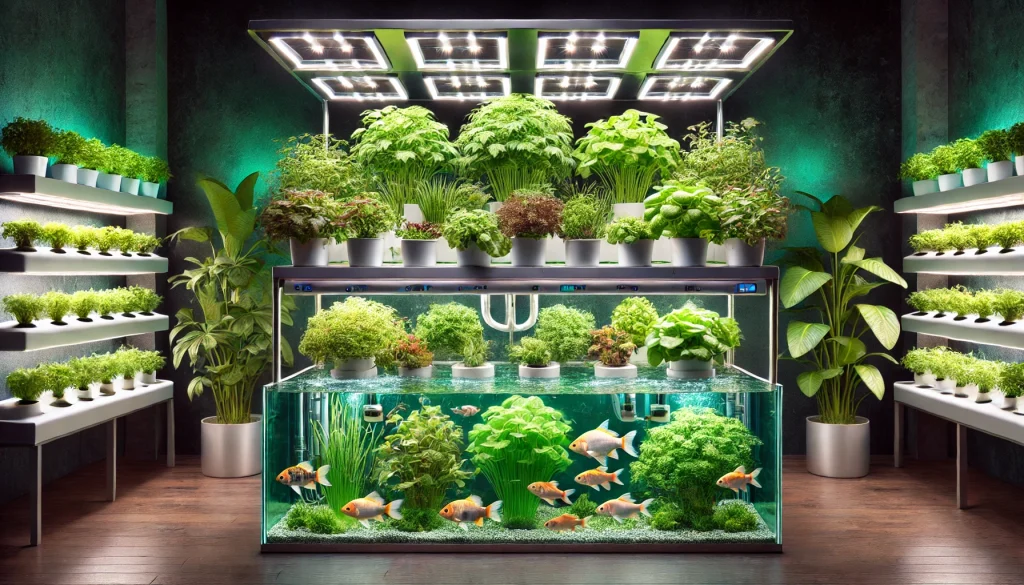
Hydroponic gardening has revolutionized the way we grow plants, offering a soil-free and efficient way to cultivate crops. One of the questions frequently asked by home gardeners and commercial farmers alike is: Will hydroponic nutrients harm fish, especially in aquaponic systems? This guide will explore the relationship between hydroponic nutrients and aquatic life, providing clear insights on how to balance both systems effectively.
What Are Hydroponic Nutrients?
Hydroponic nutrients are essential compounds, typically containing nitrogen, phosphorus, potassium, and other micronutrients, designed to help plants grow without soil. Since hydroponic systems deliver these nutrients directly to the plant’s roots through water, they can lead to faster growth and higher yields compared to traditional soil-based gardening.
Will Hydroponic Nutrients Kill Fish?
The answer to whether hydroponic nutrients will harm fish largely depends on the type of system you’re using. In a hydroponic-only setup, nutrients are specifically formulated for plants, and fish are not involved. However, in aquaponics, a combined system of hydroponics and aquaculture (fish farming), both plants and fish coexist. Here are some key points to consider:
- Chemical Composition: Hydroponic nutrients are often rich in chemicals that may not be safe for fish if used in high concentrations. For example, nutrients with too much ammonia or nitrite can be toxic to fish, while some essential plant nutrients like copper can harm fish even at low levels.
- Type of Nutrients: Many hydroponic nutrients are synthetic, designed solely for plant uptake. In an aquaponic system, it’s better to use organic or natural nutrients that are safe for both plants and fish. Products such as fish-safe fertilizers are developed specifically for aquaponics to maintain the health of both.
- Concentration Levels: The concentration of hydroponic nutrients plays a significant role. In an aquaponic system, nutrient levels need to be monitored carefully to ensure that the water is not too rich in nutrients that could harm fish but still sufficient to nourish the plants.
How to Use Hydroponic Nutrients Safely in Aquaponic Systems
If you’re using an aquaponic system where both fish and plants coexist, here’s how you can avoid harming the fish:
- Monitor Water Quality: Regular testing of water pH, ammonia levels, and nitrites is essential. The ideal pH level for aquaponic systems is between 6.8 to 7.2, which is balanced for both fish and plant health.
- Use Fish-Safe Nutrients: Opt for nutrients that are specifically designed for aquaponic systems. For example, organic or fish-safe hydroponic fertilizers avoid harmful chemicals while still feeding your plants.
- Choose Compatible Fish: Certain fish species are more resilient to nutrient fluctuations. Popular choices for aquaponics include tilapia, koi, and catfish, as they can tolerate a range of water conditions.
- Maintain Proper Filtration: A well-designed filtration system is key to balancing nutrients and fish waste. In aquaponics, the fish waste becomes a natural fertilizer for plants, but the system requires proper filtration to prevent nutrient overload.
- Balance Feeding: Overfeeding fish can lead to nutrient-rich waste that may cause nutrient overload in the water, which could harm the fish and plants. Make sure to feed your fish the right amount to avoid excess nutrients.
Hydroponic vs. Aquaponic Systems: Key Differences
While both hydroponic and aquaponic systems allow for soil-free growing, they differ in several fundamental ways:
- Hydroponics: Relies on synthetic nutrients to feed plants. There’s no interaction with aquatic life, so higher concentrations of chemical nutrients can be used without harm to fish.
- Aquaponics: Involves a symbiotic relationship between fish and plants. The fish waste provides natural nutrients for the plants, and plants filter the water for the fish. Synthetic fertilizers are typically not used, as they can disrupt this balance.
Products to Ensure Safe Use of Nutrients in Aquaponics
If you’re looking to set up a successful aquaponic system, there are products available at Hydroponic Centre that can help you achieve the perfect balance between plant nutrition and fish safety:
- 1. Canna Aqua Vega & Aqua Flores
Type: Nutrient Solution
Best for: Hydroponic systems
Description: These are specially designed nutrients that support vigorous plant growth. Aqua Vega is for the vegetative stage, while Aqua Flores is for the flowering stage. They’re highly effective in delivering nutrients directly to the plant roots in a hydroponic system. However, use with caution in aquaponic systems due to their synthetic nature. - 2. House & Garden Aqua Flakes A&B
Type: Liquid Nutrient (Two-Part Formula)
Best for: Recirculating hydroponic systems
Description: Designed for hydroponic growers who want a nutrient solution that promotes strong root development and high yields. While excellent for hydroponics, this product should be diluted or avoided in aquaponic systems to prevent harm to fish. - 3. Growth Technology Ionic Grow
Type: Single-Part Hydroponic Nutrient
Best for: Simple hydroponic setups
Description: This one-part nutrient solution is easy to use and provides essential nutrients for plants during the vegetative stage. It simplifies feeding schedules and is suitable for beginners in hydroponics. Avoid using in aquaponic systems unless carefully diluted. - 4. BioBizz Fish-Mix
Type: Organic Fertilizer
Best for: Aquaponics
Description: A natural fertilizer that promotes strong microbial activity in soil and hydroponics. It’s safe for fish and enhances plant growth by creating a more balanced, organic environment.
For more product recommendations, you can explore Hydroponic Centre’s selection of specialized nutrients and aquaponic-friendly tools.
FAQs on Hydroponic Nutrients and Fish Safety
1. Can I use regular hydroponic nutrients in my aquaponic system?
It’s best to avoid regular hydroponic nutrients in aquaponics, as they often contain chemicals that can harm fish. Look for fish-safe alternatives.
2. What happens if I accidentally add too many nutrients to my aquaponic system?
Over-fertilizing can lead to toxic water conditions for fish. Immediately test your water and perform a partial water change if necessary to dilute the nutrient levels.
3. How often should I test the water in my aquaponic system?
Water quality should be tested weekly to ensure the health of both plants and fish. More frequent testing may be needed if you notice changes in fish behaviour or plant growth.
Synthesizing It for a 10-Year-Old
Imagine you have a fish tank with some cool plants growing in it. The fish eat food and make waste, and that waste is like plant food! The plants clean the water, and the fish stay happy. But, if you add too much plant food (nutrients) that the fish don’t like, it can make them sick. So, you need to be careful and use the right kind of plant food that’s safe for both fish and plants.



