
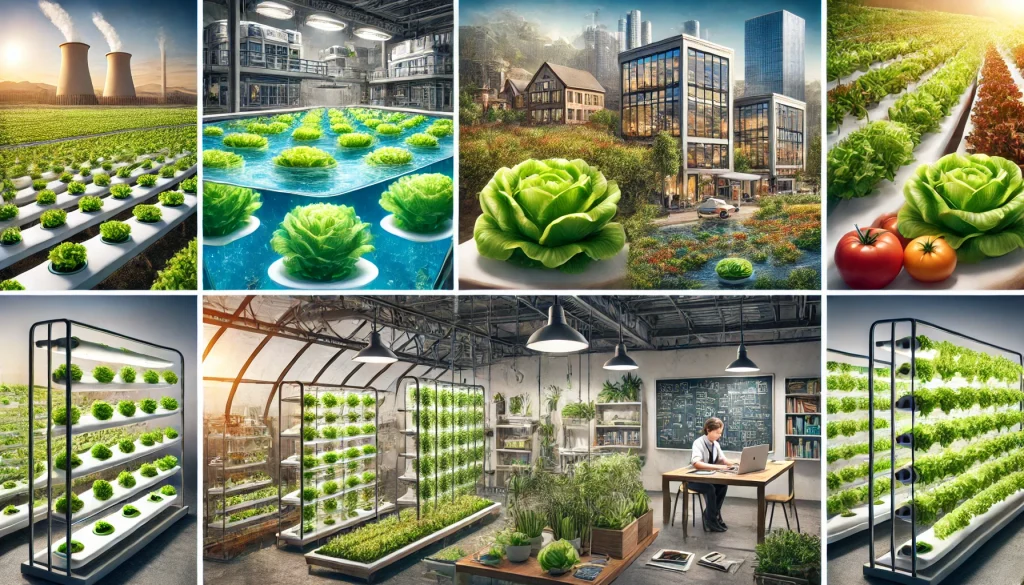
Introduction
Hydroponics is revolutionizing agriculture by allowing plants, like lettuce, to grow in soil-free environments. But where exactly is hydroponic lettuce grown? In this article, we’ll explore the diverse locations where hydroponic systems thrive, from commercial farms to home setups, and the specific benefits of hydroponic lettuce cultivation.
1. What is Hydroponic Lettuce?
Hydroponic lettuce refers to lettuce grown in a soilless system where nutrient-rich water is delivered directly to the roots. This method offers several advantages, including faster growth rates, higher yields, and the ability to grow lettuce year-round, regardless of external weather conditions.
2. Where is Hydroponic Lettuce Grown?
Hydroponic lettuce can be grown in a variety of settings, each offering unique advantages.
Commercial Farms
Commercial hydroponic farms are large-scale operations designed to produce massive quantities of lettuce and other crops. These farms are often located in regions with limited arable land or in areas where traditional agriculture is challenging due to climate. Countries like the Netherlands, the U.S., and Japan are leading the way in commercial hydroponic farming, producing tons of lettuce annually.
These farms use advanced technology, such as automated nutrient delivery systems, climate control, and artificial lighting, to optimize growth conditions. They often operate in greenhouses or large indoor facilities, enabling consistent, high-quality production.
Urban and Vertical Farms
Urban hydroponic farms have become increasingly popular, especially in densely populated cities where space is at a premium. These farms utilize rooftops, abandoned warehouses, and even shipping containers to grow lettuce and other crops. Vertical farming, a subset of urban farming, involves stacking hydroponic systems in layers, maximizing the use of space and further increasing production capacity.
In cities like New York, Singapore, and Tokyo, urban and vertical farms are making fresh, locally grown lettuce more accessible to urban dwellers. These farms also contribute to reducing the carbon footprint associated with transporting produce from rural areas.
Home Gardens
Hydroponic systems for home gardens are gaining popularity among hobbyists and home gardeners. These systems allow individuals to grow fresh lettuce in small spaces, such as balconies, kitchens, or basements. Home hydroponic kits, like those available at Hydroponic Centre, are designed to be user-friendly, making it easy for beginners to get started.
Home hydroponics offers the convenience of having fresh lettuce available year-round, free from pesticides and other chemicals. It also provides a satisfying way to engage in sustainable practices and reduce grocery bills.
Educational Institutions
Hydroponics is increasingly being used in schools and universities as a teaching tool. Educational institutions often set up small-scale hydroponic systems to help students learn about plant biology, sustainability, and innovative farming techniques. These systems are typically located in classrooms or greenhouses and serve as an interactive way for students to engage with science.
3. Benefits of Growing Hydroponic Lettuce
Hydroponic lettuce farming offers several key benefits:
- Faster Growth: Lettuce grown hydroponically can mature up to 50% faster than traditionally grown lettuce.
- Higher Yields: Controlled environments lead to higher and more consistent yields.
- Water Efficiency: Hydroponic systems use up to 90% less water than traditional farming methods.
- Space Efficiency: Vertical and urban farming methods maximize space, making it possible to grow more lettuce in smaller areas.
- Pesticide-Free: The controlled environment reduces the need for pesticides, resulting in cleaner, healthier produce.
- Year-Round Production: Hydroponic systems can operate indoors, allowing for continuous production regardless of weather conditions.
4. Best Products for Growing Hydroponic Lettuce
If you’re interested in starting your own hydroponic lettuce garden, Hydroponic Centre offers a range of products to suit various needs. Here are a few recommendations:
- Autopot 4 Pot System: Ideal for home gardeners, this easy-to-use system provides efficient nutrient delivery and requires minimal maintenance.
- LUMii Black 600W Lighting Kit: Essential for indoor growing, this lighting kit ensures your lettuce receives the right amount of light for optimal growth.
- CANNA Aqua Vega Nutrients: These high-quality nutrients are specially formulated for hydroponic systems and promote vigorous growth in leafy greens like lettuce.
5. Conclusion: Simplifying Hydroponics for Everyone
In simple terms, hydroponic lettuce can be grown almost anywhere—from large commercial farms to your own home. The key is the soilless system, which allows for faster growth, higher yields, and the ability to grow lettuce year-round. Whether you’re a professional farmer, an urban gardener, or someone interested in teaching the next generation about sustainable farming, hydroponics offers a solution that fits.
6. FAQs
Q1: Is hydroponic lettuce as nutritious as traditionally grown lettuce?
A1: Yes, hydroponic lettuce is just as nutritious and often fresher due to the controlled growing conditions.
Q2: How much space do I need to grow hydroponic lettuce at home?
A2: You can grow hydroponic lettuce in a small area, like a kitchen counter or a balcony. Systems like the Autopot 4 Pot System are designed for compact spaces.
Q3: What is the initial cost of setting up a home hydroponic system?
A3: The cost can vary, but starter kits are available for under £100, making it an affordable option for most home gardeners.
Q4: Can hydroponic systems be automated?
A4: Yes, many commercial and even home systems can be automated to manage nutrient delivery, lighting, and water circulation, reducing the need for constant monitoring.



