
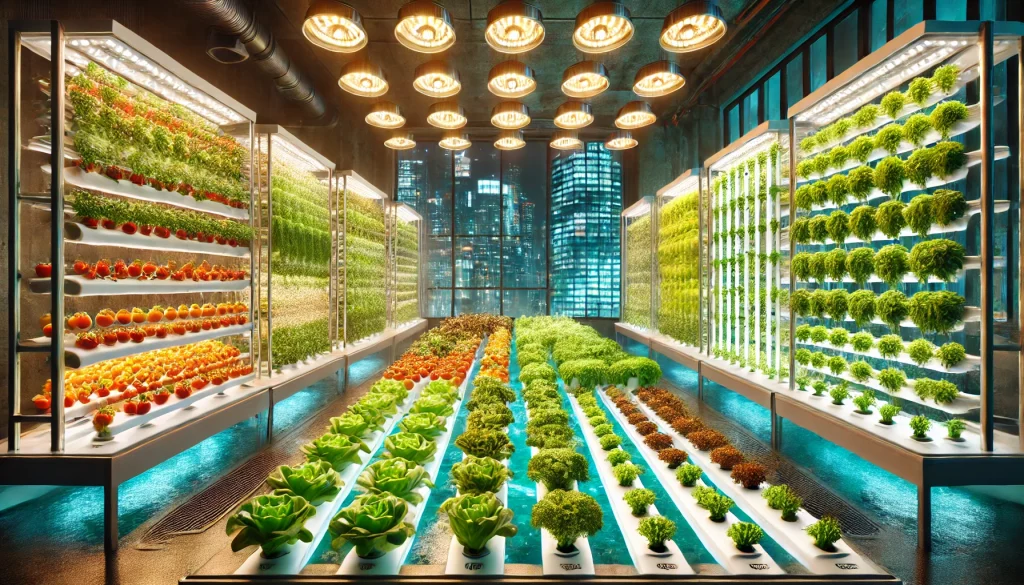
Introduction: As the world faces increased food demand, shrinking arable land, and growing environmental concerns, innovative solutions are essential to secure our future food supply. Hydroponic farming is one such solution, offering sustainable, high-efficiency methods of growing plants without soil. In this article, we explore why hydroponic farms will be increasingly needed, how they benefit home gardeners and commercial farmers, and what products can help you get started.
What is Hydroponic Farming?
Hydroponics is a method of growing plants using nutrient-rich water instead of soil. This system allows plants to absorb nutrients more efficiently, leading to faster growth and higher yields. It can be implemented in various settings, from small-scale home gardens to large commercial farms, making it versatile and accessible to different types of growers.
Why Hydroponic Farming is Becoming Essential
1. Growing Food Demand
By 2050, the global population is expected to exceed 9 billion. Traditional farming methods may not be enough to meet the food demand. Hydroponics offers a solution by maximizing crop yields in a smaller area, producing more food per square meter than soil-based agriculture.
2. Climate Change and Unpredictable Weather
Climate change is making weather patterns more erratic, with droughts, floods, and unpredictable seasons becoming more common. Hydroponic systems are often indoor or greenhouse-based, allowing for a controlled environment that protects crops from these external threats.
3. Less Water Consumption
Water is a scarce resource in many parts of the world, and traditional farming consumes a large amount of it. Hydroponic systems use up to 90% less water than traditional farming by recycling water in a closed system. This makes it ideal for regions experiencing water shortages.
4. Urban Farming and Food Deserts
In cities and urban areas, space is limited, and access to fresh produce is often restricted. Hydroponic farms can be set up in urban settings, providing fresh, locally grown food while reducing the carbon footprint associated with long-distance food transportation.
5. Reduced Need for Pesticides
Since hydroponic systems can be more easily controlled and monitored, they require fewer pesticides and herbicides. This reduces the environmental impact and results in healthier, chemical-free produce.
Benefits for Home Gardeners
Home gardeners who adopt hydroponics can grow their plants in small spaces like balconies, basements, or rooftops. Some of the key benefits include:
- Year-round gardening: Grow your favorite herbs, vegetables, or flowers regardless of the season.
- Faster growth: Plants in hydroponic systems grow up to 50% faster than those in soil, allowing for quicker harvests.
- Space-saving: Vertical hydroponic systems allow you to grow more plants in a smaller area.
Advantages for Commercial Farmers
Commercial farmers are turning to hydroponics to enhance their operations in several ways:
- Maximized crop yield: Higher plant density and faster growth mean more crops can be produced in the same space.
- Sustainability: With lower water and pesticide use, hydroponics offers an eco-friendly alternative to traditional farming.
- Control over growing conditions: Temperature, light, humidity, and nutrient levels can be tailored for optimal plant growth, reducing the risk of crop loss.
Recommended Products from Hydroponic Centre
If you’re ready to explore hydroponic farming, here are some products to get you started:
- Flood & Drain Hydroponic System
- Ideal for both home gardeners and commercial farmers, this system allows for efficient water and nutrient delivery, helping plants grow faster and healthier.
- Lumii BLACK 600w Kit
- This lighting kit is perfect for indoor hydroponic setups, providing the full spectrum of light that plants need for photosynthesis.
- AutoPot 4 Pot System
- This easy-to-use, space-efficient system is perfect for home gardeners looking to expand their hydroponic garden with minimal effort.
Overcoming Common Hydroponic Farming Challenges
Although hydroponics offers many benefits, there are a few challenges to consider:
- Initial Setup Costs: Hydroponic systems may require a higher upfront investment than traditional gardening methods. However, the long-term benefits, including reduced water and pesticide costs, make it worthwhile.
- Learning Curve: For beginners, hydroponic farming might seem complicated, but there are plenty of resources and pre-built kits available to make the transition smoother.
- Energy Use: Some hydroponic systems, especially those involving artificial lighting, can be energy-intensive. Investing in energy-efficient LED lights can help reduce electricity costs.
A 10-Year-Old’s Guide to Hydroponics
Imagine if you could grow plants without using dirt! That’s what hydroponics is. Plants grow in water with special nutrients that help them grow fast. With hydroponic farming, you can grow more food like tomatoes and lettuce, even if you live in a small apartment or a city where there’s not much space for gardening. Plus, it uses less water, which is great for the environment!
Conclusion: Hydroponics is the Future of Farming
Hydroponic farming offers a sustainable, efficient, and scalable solution for the growing global food demand. From home gardeners seeking to grow fresh produce year-round to commercial farmers looking for ways to increase yields while reducing environmental impact, hydroponics is increasingly becoming an essential part of modern agriculture. By adopting hydroponic methods, we can help ensure a healthier planet and a more secure food future.



